The final Garage Sale Trail brings 12,000 Australian households together, closing a 16-year run that generated $52 million for sellers and supported reuse.
A national event reaches its final weekend
The Garage Sale Trail’s final weekend puts a spotlight on what a national second-hand sales event can accomplish: more than seven million items rehomed, $52 million earned by sellers and neighbours brought together through local sales. Those figures describe more than a busy weekend. They point to a format that has made reuse visible and accessible by turning it into something households can do close to home.
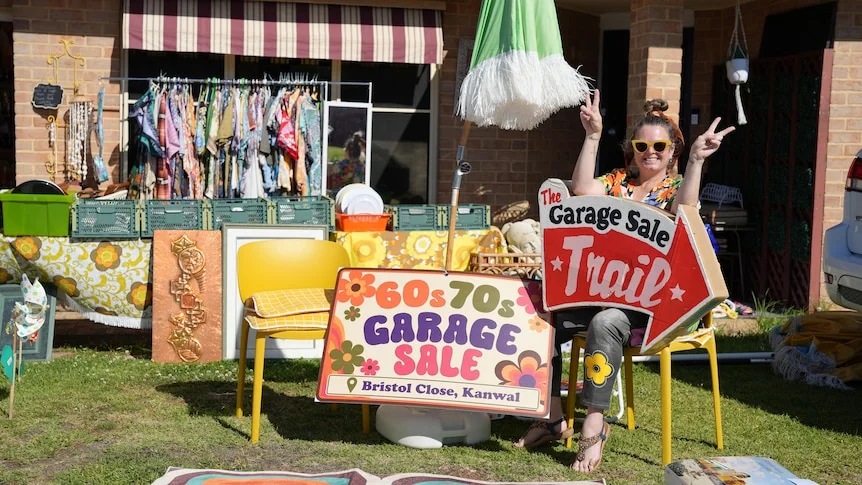
About 12,000 households across Australia are taking part in the closing event, which runs over two weekends and ends Sunday, November 15. The initiative began in Sydney’s eastern suburbs in 2010, when co-founders Darryl Nichols and Andrew Valder invited residents to hold garage sales. The first call attracted 130 participants. The jump from that modest beginning to a nationwide event shows how a simple invitation can travel when the activity is familiar, low-cost and easy for communities to organise.
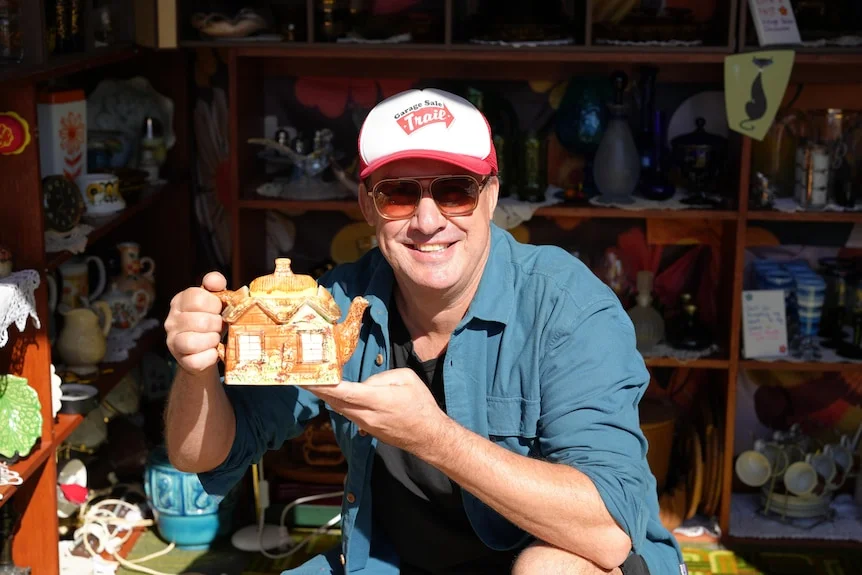
Darryl Nichols co-founded the Garage Sale Trail in 2010. (ABC Central Coast: Sarah Forster)
For Nichols, the event’s scale grew from what he called an “oily rag production” into a fixture that helped people act on an idea they might otherwise postpone. He described garage sales as “a quintessential part of Australian culture,” even as online marketplaces such as eBay changed how people bought and sold used goods. The contrast matters: online platforms can widen the pool of potential buyers, while a neighbourhood sale puts objects and people in the same place. Here's the thing: the local setting is part of the offer, not just a way to move stock.
Reuse with a local footprint
More than 7.2 million second-hand items have been sold through the Trail since its launch. Nichols said the organisers believe they’ve made a meaningful contribution to reuse and circularity, and are ready for what comes next. He said another group might take on the event’s “custodianship,” though no successor was identified. That leaves an open question about how the event’s organising work and national reach will be maintained after its founders step back.
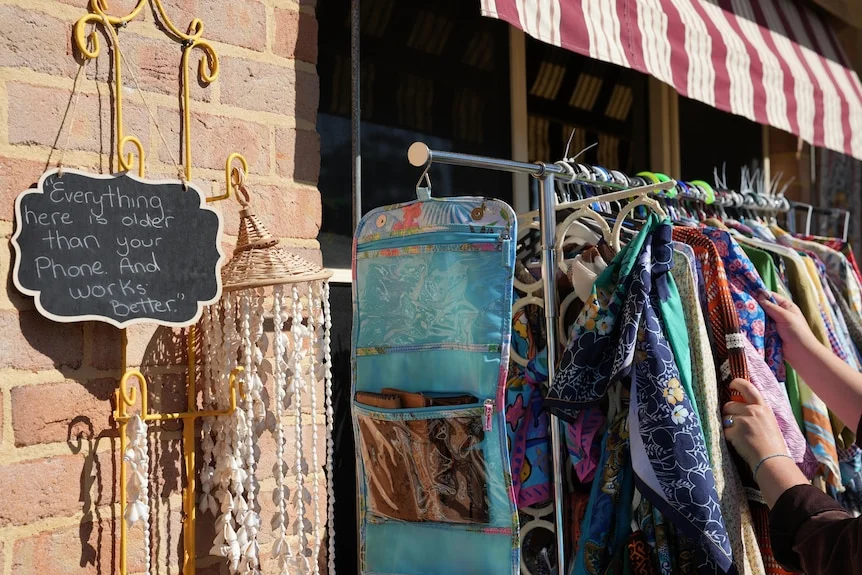
More than 7.2 million second-hand items have been sold through the Garage Sale Trail since 2010. (ABC Central Coast: Sarah Forster)
The Trail’s environmental case is straightforward: useful household goods find another owner instead of being discarded. The NSW Environment Protection Authority said the event helps divert waste from landfill and reduce illegal dumping by encouraging reuse. The effect of any one sale is small, but a coordinated event can make the practice more visible and give people a reason to sort through items they might otherwise leave unused.
The EPA has warned that Greater Sydney is on track to run out of landfill space by 2030 unless waste levels fall. That pressure gives local reuse efforts added relevance, though the Trail’s appeal has always depended on people finding practical value in the items on offer. Reuse works best when an object is still useful and someone wants it; the sale creates a route between those two conditions. The numbers here are underwhelming as a measure of the entire waste problem, but they show how everyday choices can add up across many households.
Kalie Chaney, who hosted a vintage-themed sale in Kanwal on the NSW Central Coast, collects goods from the 1960s and 70s. She said many items from that era, including furniture, Tupperware and dinner plates, remain usable. Saving them from disposal is part of why she sells them. Her approach also highlights a limit of reuse campaigns: an item has to find a buyer or new purpose to stay in circulation. A sale can make that handoff easier, but it can’t guarantee it.
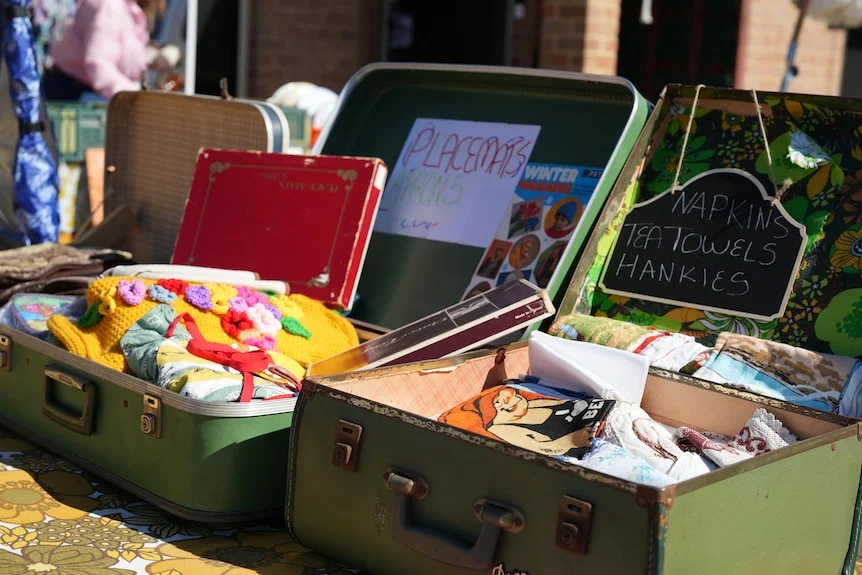
The NSW Environment Protection Authority says the Garage Sale Trail helped divert waste from landfill and reduce illegal dumping. (ABC Central Coast: Shauna Foley)
A social return, too
At Chaney’s sale, Bill Mallie came for the conversation as much as the goods. “It brings neighbours together … it's a community thing,” he said, describing the chance to clear out possessions, pass them on and meet people nearby. That social dimension is difficult to capture in a tally of items sold, yet it helps explain why a garage sale can draw people who aren’t searching for a particular bargain.
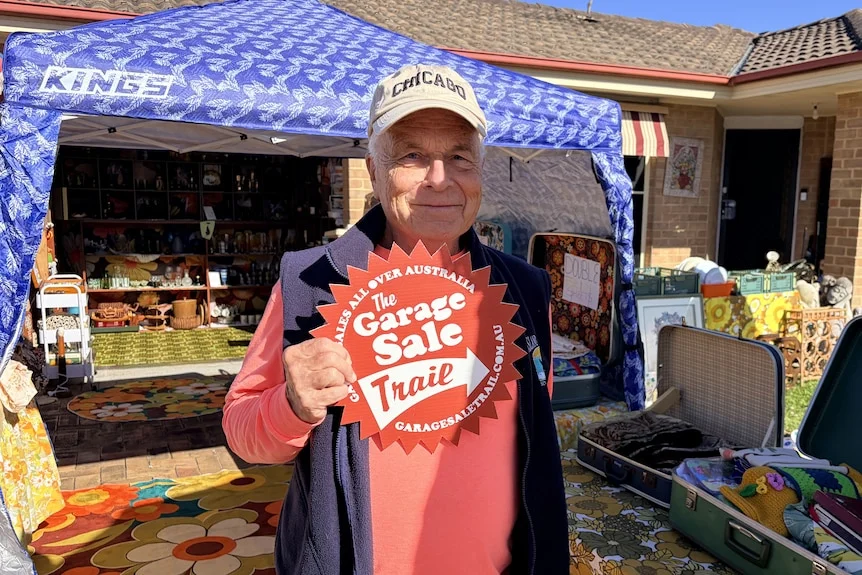
Bill Mallie says garage sales bring the community together. (ABC Central Coast: Sarah Forster)
Nichols said an average participant makes about 30 new neighbourly connections during a sale. Putting belongings out in front of a home, he said, can give visitors a glimpse of the person behind the table and make conversation easier. The exchange is informal by design: browsing gives strangers an easy opening, while selling gives hosts a reason to stay and talk. If you're working in this space, that combination of practical exchange and social contact is the part most people overlook.
What comes after the final weekend
Once the official event ends, people can keep selling or repurposing unwanted goods on their own. The Trail’s final edition leaves a practical legacy: a familiar neighbourhood ritual can keep usable items in circulation while giving communities a reason to connect. And yet, the event’s future depends on whether another group is willing and able to take on its custodianship. The founders’ work has made the format legible at national scale; sustaining that reach may require someone to keep coordinating participation across local communities.
This is more significant than it looks. The Trail hasn’t solved the problem of waste, and its sales figures can’t show how much material would otherwise have gone to landfill. But it has made reuse a public, social activity rather than a private chore. What this means for you is simple: a household sale can give an unwanted object another chance at use, and a neighbour a reason to stop by. A small exchange. A lasting habit is harder to measure.
Discussion
Sign in to join the discussion.