About half of middle-aged women experience chronic pain, which can be shaped by menopause, biology and social pressures—and is often overlooked.
Chronic pain in midlife is common—and often missed
The striking figure in the International Menopause Society’s report is that roughly half of middle-aged women live with chronic pain. The report says women are up to 70 per cent more likely than men to experience it. Chronic pain means pain lasting longer than three months or returning repeatedly, and the IMS describes it as “often under-recognised, under-diagnosed and inadequately treated.”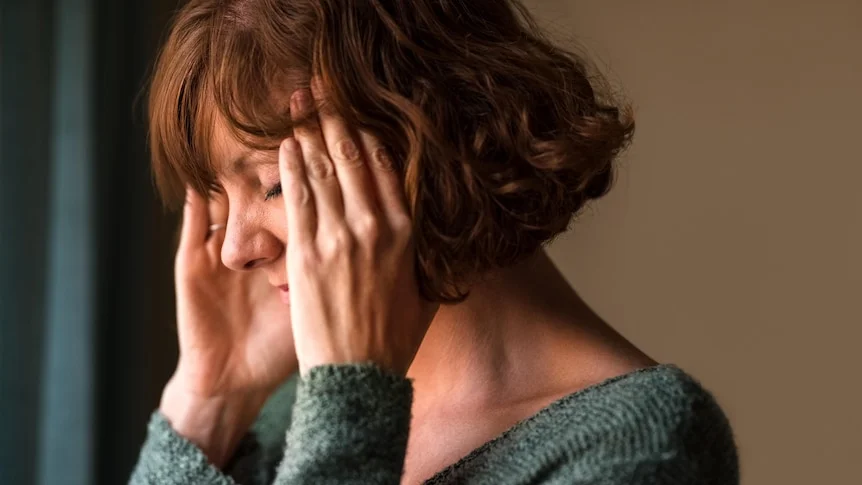 *Chronic pain disproportionately affects women. (Getty Images: [NickyLloyd](https://www.gettyimages.com.au/search/2/image?artistexact=NickyLloyd))*
The report’s concern is not only how many women experience pain, but how easily it can become part of daily life without proper attention. Rossella Nappi, IMS president and an obstetrician and gynaecologist at the University of Pavia in Italy, says the report is intended to help women and health workers talk about it. “Chronic pain in midlife is a very important subject and highly neglected,” she says. Sometimes, she adds, pain becomes widespread and is present “every day of their life.”
The reasons aren’t settled. Adelaide University pain science lecturer Jane Chalmers calls the question of why some groups are more vulnerable one of the hardest in her field. Susceptibility, she says, has many layers: “we can't separate a human's psychology and sociology from their biology.”
Women may experience several chronic pain conditions at once, including fibromyalgia and chronic pelvic pain. Some research also suggests they’re more likely to experience [central sensitisation](https://www.thelancet.com/journals/lanrhe/article/PIIS2665-9913(22)00287-9/abstract), in which the brain becomes more likely to generate pain signals.
 *Nicolette Ellis says women’s chronic pain needs to be taken seriously; many patients feel dismissed. (Supplied)*
Social pressures may add to the burden. Nicollette Ellis, chair of Chronic Pain Australia and a pharmacist who specialises in chronic pain, says women often carry most caregiving responsibilities. Stress and pain have a complicated relationship, but stress can intensify pain for some people.
Midlife brings several possible triggers
Menopause changes hormone levels: the body produces much less oestrogen and progesterone. Lower oestrogen can contribute to joint pain, stiffness and weaker muscles. Hormone levels also fluctuate from day to day, says Sharon Vasey, who chairs the menopause health subgroup at the Royal Australian College of General Practitioners. Those shifts can trigger migraines.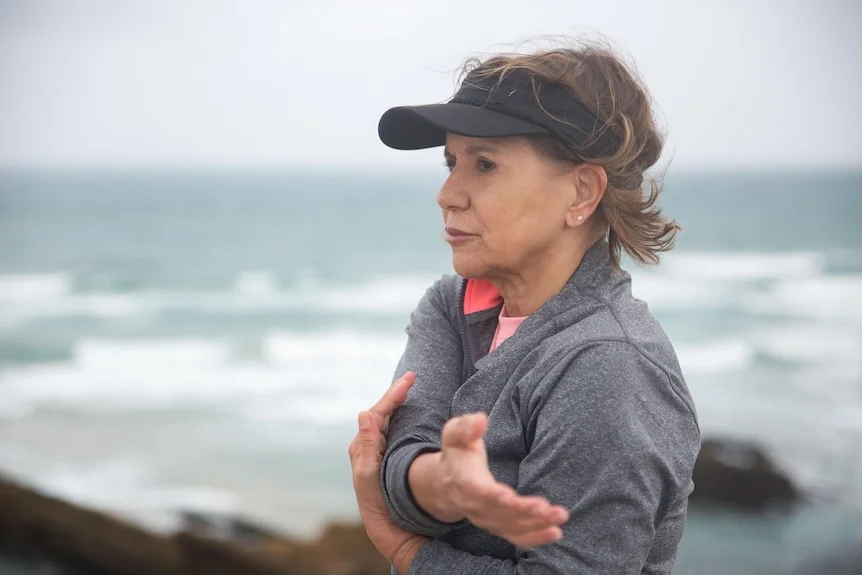 *Nearly three in four women experience joint or muscle pain during perimenopause. (Pexels: [Kampus Production](https://www.pexels.com/@3649784/))*
Hormones don’t tell the whole story. Nappi points to exercise, diet and activity levels as factors in how people age and experience pain. Menopause symptoms such as disrupted sleep and mood changes can also shape how pain feels.
The IMS report highlights three common categories: musculoskeletal pain, migraine and pelvic pain. It estimates that nearly three in four women experience joint or muscle pain during perimenopause. Chronic Pain Australia’s [2026 National Pain Report](https://chronicpainaustralia.org.au/wp-content/uploads/2026/07/Chronic-Pain-Australia-National-Pain-Report-2026.pdf), based on a survey of more than 6,000 Australians, adds a wider view: women reported an average of 4.6 types of chronic pain, including migraine, back, pelvic, joint and nerve pain.
That breadth matters. Ellis argues clinicians should consider how pain conditions and body systems interact instead of treating each symptom in isolation.
Discussion
Sign in to join the discussion.