A north-east Victorian boy has faced repeated magpie attacks for six years. Experts say the birds remember faces, but patient efforts may ease the feud.
A six-year spring conflict
For Louis, 12, spring brings a familiar problem: a magpie that targets him near his home in north-east Victoria. The attacks have left him with cuts and changed how he gets to school, turning an ordinary trip into something he has to plan around.
The conflict began when the bird swooped at Louis as he rode his bike. During a later attack, he hit it with a broom while trying to defend himself. Since then, the magpie has returned each spring to a nest near his home, and Louis says the encounters have continued across six years.
That history matters because the bird’s response appears to be tied to a particular person and place. For Louis, changing routes and carrying something for protection haven’t made the walk predictable or ended the attacks.
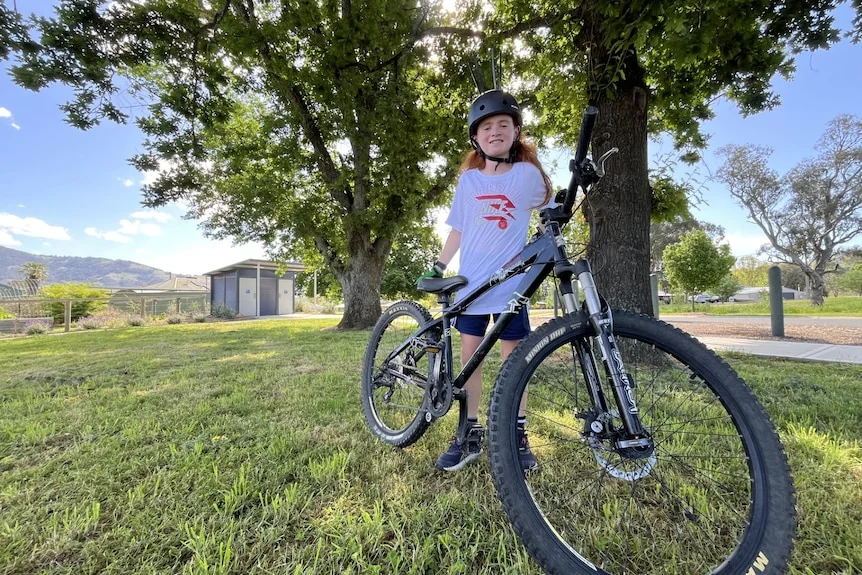
Louis has a history with a magpie in his neighbourhood. (ABC News: Erin Somerville)
Louis says the bird pecks at his head on the walk to school. He carries a pointed stick to fend it off and takes different routes, but says the magpie still singles him out when he walks with friends. Talking to the bird hasn’t stopped the attacks.
He suspects his red hair and large mullet may make him easier for the magpie to recognize. “They can remember faces as well, so I think that's just how he remembers me,” he said. It’s a child’s practical theory, but it lines up with what one magpie expert says about the birds’ ability to distinguish people.
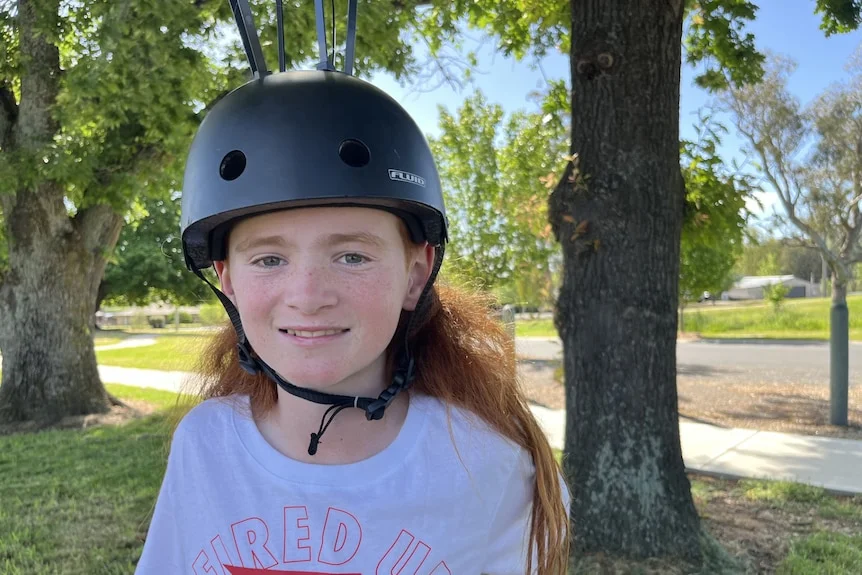
Louis has sustained injuries from the aggressive magpie. (ABC News: Erin Somerville)
Magpies can recognize people
Darryl Jones, professor emeritus at Griffith University, says Louis’s distinctive hairstyle may help the bird identify him. Magpies can remember about 30 faces, Jones said, and prolonged targeting isn’t unusual. That suggests an encounter can carry over from one season to the next in a way that feels personal to the person being swooped.
Jones described a colleague who was attacked by a particular group of magpies during research. The researcher lived overseas for 15 years, then returned and found that the birds still recognized him. “They have got a memory as well as still being very clever,” Jones said.
That example gives a useful frame for Louis’s experience: a magpie may learn to associate a person with an earlier encounter and respond when they meet again. It doesn’t establish exactly what the bird remembers about Louis, or why it continues to target him. And this is the part most people overlook: changing the route may avoid one encounter, but it doesn’t necessarily change the association the bird has formed.

Darryl Jones says magpies are known to hold a grudge. (Supplied)
A possible route to peace
Jones says it can help to change the bird’s association with a person. He has helped 20 people resolve conflicts with magpies, sometimes by offering small amounts of mince or cheese so the birds come to recognize them as friendly. The proposed approach depends on repeated, calm contact rather than simply trying to deter the bird during an attack.
That’s a different kind of response from Louis’s current routine of carrying a pointed stick and changing routes. It also rests on an assumption: that the bird can come to treat a person as familiar and non-threatening. Jones’s experience suggests that outcome is possible, though the article doesn’t establish how reliably it works or whether every bird will respond the same way.
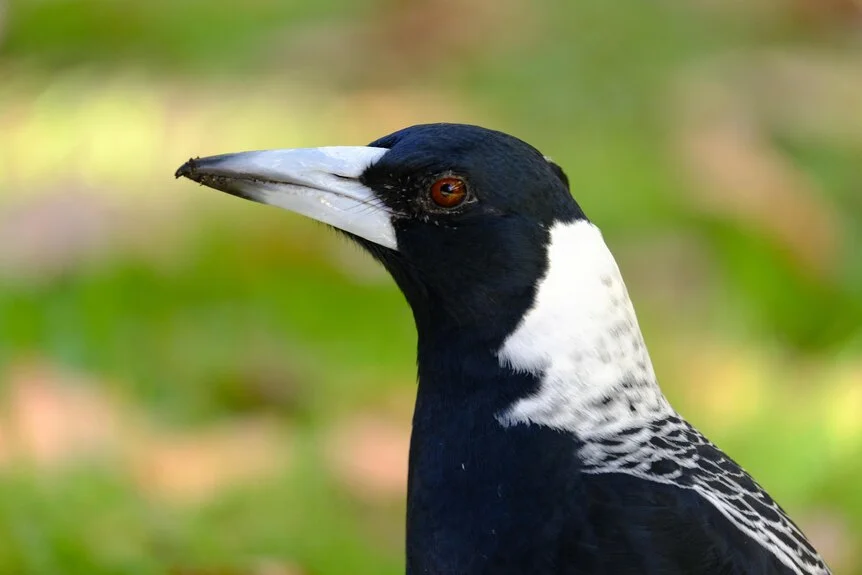
Experts say you can train a magpie to be a friend, rather than a foe by offering treats. (ABC News: Andrew Williams)
Feeding wild birds can be contentious, Jones acknowledged, but he sees it as a way to address persistent attacks. “Even the nastiest magpies have turned out to be nice if you feed them and treat them well,” he said. His advice puts the emphasis on familiarity and trust, while leaving open the practical question of whether feeding is suitable in every local situation.
What the next spring may show
For Louis, the idea is straightforward but the result is uncertain: a different relationship with the magpie might change what happens when it returns. This is more significant than it looks. The dispute has shaped how a 12-year-old travels to school, and the usual workarounds haven’t ended it.
If you're working in this space, the case is a reminder that advice about wildlife encounters has to account for both the animal’s behaviour and the person’s daily routine. A strategy that sounds simple in principle still has to be workable for the person facing the attacks. For Louis, the next spring will show whether a little diplomacy can shift a six-year pattern. That’s the test.
Discussion
Sign in to join the discussion.