A proposed NSW law could allow Mount Pleasant to produce 16.5 million tonnes of coal annually while its expansion approval remains under review.
NSW’s proposed mine laws draw sharp criticism
A former Supreme Court judge says the NSW government’s plan to legislate for Mount Pleasant coalmine risks overriding the court process. Anthony Whealy, now a board member of the Centre for Public Integrity, called the move “reprehensible” and said it should be independently reviewed. Greens MP Cate Faehrmann has accused the government of “state capture”. The dispute has immediate consequences: Premier Chris Minns says new laws will let the Hunter Valley mine produce 16.5 million tonnes of coal a year while its planning case continues. The government says the measure addresses legal uncertainty and protects 400 jobs. Whealy disputes the justification, saying there’s no evidence those jobs are at risk before Christmas.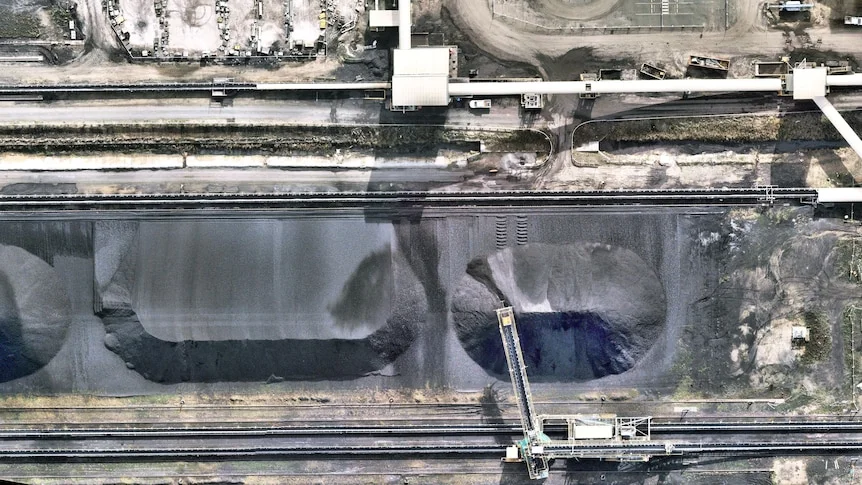 *Mount Pleasant acknowledged it continued expanding during High Court proceedings over its planning approval. (Supplied: Nearmaps)*
How the approval dispute escalated
Mount Pleasant’s expansion approval, granted in 2022, would have doubled annual capacity from 10.5 million to 21 million tonnes through 2048. In July 2025, the NSW Court of Appeal found planning authorities had failed to consider emissions from coal exports, including Scope 3 emissions. It sent the approval back to the Land and Environment Court for review. MACH Energy began earthworks in August 2025, describing them in company documents as the next phase of the expansion. The company appealed to the High Court. By December 2025, the mine had produced 12.78 million tonnes. The mine is also under investigation over allegations it exceeded production limits while construction was scaling up. The residents’ group that won the Court of Appeal case, Denman Aberdeen Muswellbrook Scone Healthy Environment Group (DAMSHEG), complained to the planning department through its lawyer, Elaine Johnson. She argued the mine should have been operating under its 1999 approval, which capped output at 10.5 million tonnes. The department first said it would consider her concerns. After Johnson wrote again, it confirmed an investigation. On August 14, 2026, the department said it was committed to “timely and appropriate compliance action”. That same day, it modified the 1999 approval—one not being challenged in court—to raise output to 12.5 million tonnes a year and extend the mine’s life by six years, avoiding a December expiry. A department spokesperson said the change met the “substantially the same development” test.The High Court ruling leaves production in doubt
The High Court ruled against MACH Energy in October 2026, finding that authorities had not properly considered whether to impose conditions to minimise greenhouse gas emissions, including Scope 3 emissions. The expansion approval was invalid pending a lower-court review that could take months. That put the company’s stated 2026 production target of 16.5 million tonnes in doubt. The figure depended on the expansion approval, and it wasn’t clear whether the mine could extract the additional four million tonnes. Less than a fortnight after the ruling, Minns announced legislation to permit that 16.5-million-tonne rate while court proceedings continued. He said it would address “the unique legal uncertainty arising from the High Court’s judgement” and “protect 400 jobs”. Whealy called the intervention an “obliteration” of the legal process and described the government’s case as “hollow”. He said there were no clear exceptional circumstances to justify the laws, and no evidence that 400 jobs were under threat. “All this talk about 400 jobs being lost before Christmas is hyperbole,” he said. In parliament, Faehrmann asked Resources Minister Courtney Houssos what evidence supported the claim that jobs were at risk before Christmas and that standalone legislation was necessary. Houssos said the government had checked employment records with the company and union, and acknowledged that the mine had scaled up its operation over the previous 18 months. *Whealy says there is no justification for DPS being exempt from FOI laws. (ABC News)*
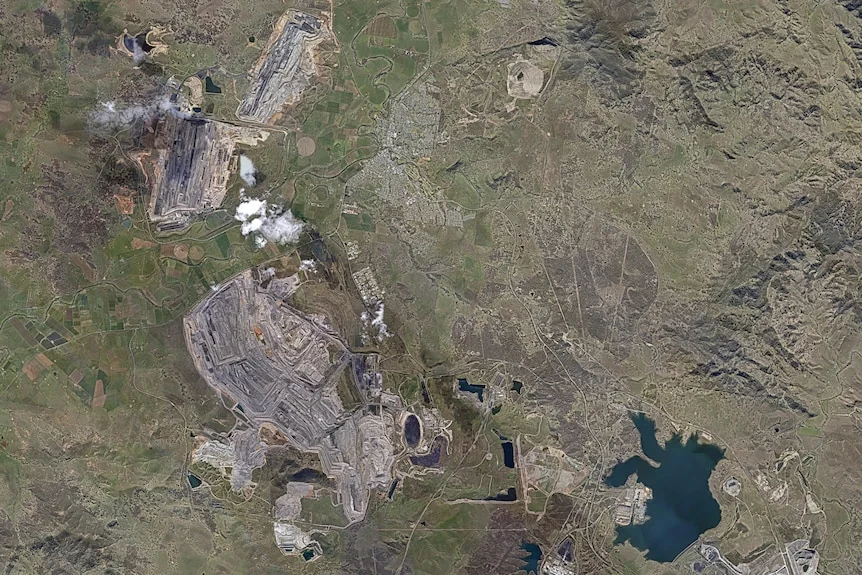 *Mount Pleasant is in New South Wales’ Hunter Valley. (Supplied: Nearmaps)*
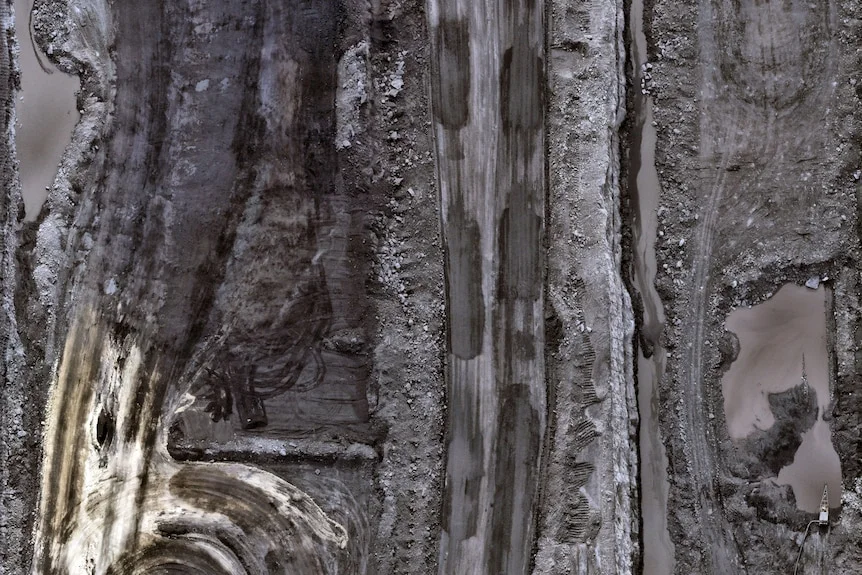 *The open pit at the MACH Energy coalmine near Muswellbrook. (Supplied: Nearmaps)*
 *Minns intervened after the High Court decision. (ABC News: Abubakr Sajid)*
The High Court ruling against the mine is at the centre of the dispute. The NSW government says it will introduce laws to support the expanded output while the planning case continues.
Legal advice, political risk
The government says it acted to prevent 400 workers from losing their jobs before Christmas, arguing the mine’s operator had legal advice that its higher-rate approval remained valid. Minister Houssos said the approval could otherwise have been confirmed by the courts within months. Greens MP Cate Faehrmann called the decision “state capture,” describing it as powerful interests shaping laws and institutions for their own benefit. Former judge Mr Whealy wants an independent review. He warned that governments overriding senior courts for political advantage would set a dangerous precedent. MACH Energy welcomed the premier’s announcement, saying it would reassure locals that the Mount Pleasant project could keep delivering benefits. The company said its lawyers had advised that the 2022 consent remained valid during the High Court proceedings. That legal position helps explain the company’s response; it doesn’t settle the dispute over the government’s decision.“Hand-in-glove” with the mine?
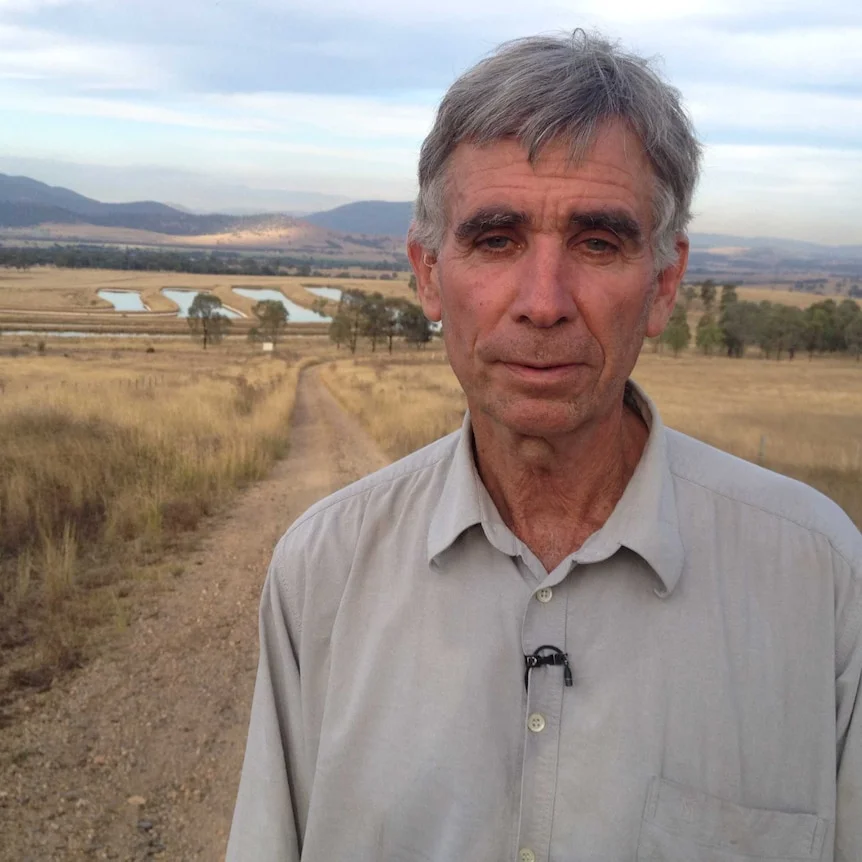 Tony Lonergan, co-founder of the residents’ group DAMSHEG, which appealed the expansion, accused the NSW government of working “hand-in-glove” with the mine’s “gung-ho” operators. He said the operators seemed confident that planning authorities and the government would back them, and believed they could carry on as before. Lonergan is part of the community group that appealed against the expansion. (ABC News: Sue Lannin)
That’s the wider concern: residents see the approval as a signal about how much influence mining companies can exert when court challenges threaten their plans. The claims remain contested, and the NSW Department of Planning, Housing and Infrastructure declined to comment, citing active investigations.
Discussion
Sign in to join the discussion.