David Jones faces a clash between administrators and receivers, with store closures and stock sales likely as the retailer’s future is reassessed.
Two claims over David Jones’ future
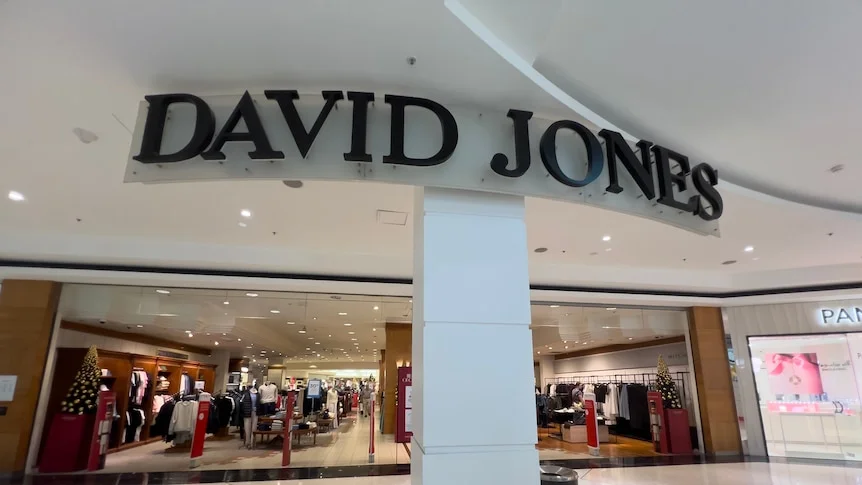
David Jones’ collapse puts two competing claims over the retailer’s assets and future in play. The board has appointed administrators, while its biggest creditor, Hilo Global, has appointed receivers. Their next decisions could reshape the 188-year-old department store chain, including through store closures and stock sales. The appointments put the company’s operations and the lender’s security interests under separate forms of external control.
The retailer had been seeking relief from creditors, including over rent owed to Scentre Group, the owner of Westfield shopping centres. That approach didn’t resolve its financial strain. The appointments now give external firms control of key parts of the process while they assess the business and creditor claims. For employees, suppliers, landlords and shoppers, the practical consequences will depend on what those assessments uncover and which parts of the business can keep operating.
Why administration and receivership are both in play
When a company can’t meet debts as they fall due, it’s described as insolvent. Directors can face penalties if they keep trading while insolvent or when insolvency is imminent, so companies under pressure may ask creditors and suppliers for more time or different payment terms. Those requests can buy time, but they don’t remove the underlying debts or guarantee that a business can return to stable trading.
If that fails, directors can appoint an administrator to take over day-to-day management and examine the company’s position. Administration can also pause certain payments while that review takes place. For David Jones, overdue rent is among the debts at issue. The administrator’s task is to assess the company’s affairs and consider the available paths, including whether some or all of the business can continue.
A creditor can also appoint a receiver to protect its interests. David Jones’ directors appointed McGrathNicol as administrators; Hilo Global appointed FTI Consulting as receivers. With both roles now active, the firms will have to work through the retailer’s assets, liabilities and possible paths ahead. Their responsibilities overlap in practical ways because decisions about stock, stores and trading can affect both the wider business and the lender’s ability to recover what it’s owed.
The split matters because Hilo’s loan is secured against David Jones’ stock. The receiver will be focused on the creditor’s claim over that inventory, while the administrators assess the broader business. A secured lender’s position can shape how particular assets are handled, while administration takes a wider view of the company’s affairs. Their work is likely to determine how much of the chain can continue operating and what assets may be sold. That’s where the two processes could pull in different directions.
What the process could mean for stores and stock
A substantial reduction in David Jones’ retail footprint appears likely. That could mean closing stores and selling excess inventory, though the outcome will depend on the administrators’ and receivers’ assessments. A store closure can reduce ongoing costs, but it also changes the scale of the business that might remain. The decisions will turn on the company’s finances, the value of its assets and the prospects for continued trading.
Hilo Global is unlikely to welcome a deep-discount clearance if it reduces the value of stock backing its loan. Yet a smaller store network and a large volume of merchandise could still bring bargains for shoppers during the Christmas season. The terms and timing of any sales remain uncertain. Clearance activity can turn inventory into cash, but heavy discounts may mean less money is recovered from each item. The commercial tension is plain: selling quickly could help move stock, while protecting prices could require more time and a viable retail operation.
Here’s the thing: a sale sign doesn’t tell shoppers what’s happening behind the scenes. If you’re planning to visit a David Jones store, any discounts will depend on decisions made through the process, and the available stock may vary as stores and inventory are assessed. For the retailer, the bigger question is whether selling stock supports a continuing business or forms part of winding down parts of the chain.
Pressure across department store retail
David Jones’ troubles reflect pressures that have weighed on large physical retailers for years. Online shopping has hurt traditional chains, and retailers have had varying success shifting sales online. Moving sales online can help a retailer reach customers beyond its stores, but it doesn’t automatically solve the costs tied to a large physical network. The company’s difficulties weren’t a surprise to industry insiders, according to the source report. This is more significant than it looks: the collapse puts a long-running question about the economics of department stores into immediate focus.
Higher borrowing costs could add pressure on consumers’ spending, particularly ahead of Christmas. The article reports that an interest rate rise this week pushed borrowing costs to their highest level in 18 years. That may weigh on household budgets, though it doesn’t establish how shoppers will respond or how much it will affect any one retailer. For a business already under financial pressure, uncertainty about consumer spending adds another complication to judging how much trading capacity the chain can support.
There may be a counterpoint for rival retailers: if David Jones leaves shopping centres or reduces its presence, landlords could have space to fill and remaining retailers may benefit from lower rents. That possibility sits alongside broader uncertainty about consumer demand. An empty or repurposed store doesn’t guarantee a windfall for competitors; the value of any freed-up space depends on what landlords and prospective tenants can agree. And yet, a weaker rival can alter the bargaining position of retailers in the same centres.
The next test
The immediate question is how McGrathNicol and FTI Consulting handle the competing responsibilities attached to administration and receivership. Their decisions will shape the retailer’s restructuring, any store closures and the sale of inventory securing Hilo’s loan. The process will also clarify which assets can support ongoing operations and which may be sold to meet claims. For creditors, the outcome will be measured in recoveries; for staff and shoppers, it will be felt through the stores that remain open and the services they can provide.
For shoppers, a few seasonal discounts may emerge. For David Jones, the more consequential measure will be whether the process can preserve a viable business as its stores, stock and debts are assessed. That’s a narrow path: the company needs enough trading activity to sustain operations, while creditors will want their interests protected. What this means for you depends on whether the chain can retain a workable network and continue serving customers after the immediate asset decisions are made.
Much remains unresolved. The firms’ assessments will determine whether David Jones can emerge in a smaller form, or whether more of its assets must be sold. Either way, the stock clearance is only one visible part of a broader test of the retailer’s remaining business.
Discussion
Sign in to join the discussion.