During a recent summit, King Charles III emphasized the urgent need for regulation in AI development to prevent potential existential risks.
King Charles III has expressed deep concerns regarding the potential threats posed by artificial intelligence (AI) at a recent summit in Scotland, where he met with leaders from major AI companies such as Nvidia and Google DeepMind. His warning centered on the "existential dangers" if AI technologies were allowed to fall into the wrong hands.
King Charles III's Concerns About AI
The remarks from King Charles III aren't just the musings of a monarch trying to stay relevant; they come at a critical juncture in the ongoing conversation about AI's rapid evolution. In an age marked by technological leaps, the potential for both good and harm has never been more pronounced. The King referenced a duality inherent to AI technology – while it harbors promise in advancing fields like life sciences and medicine, it also holds the capability for catastrophic misuse.
This isn't an isolated concern. Many technologists and thought leaders have echoed the belief that the unchecked development of AI could lead to significant societal consequences. King Charles's statement serves as a sobering reminder of this dichotomy. He articulated a keen awareness that without proper oversight, the repercussions could escalate, posing not just risks to privacy but also potential threats to personal safety.
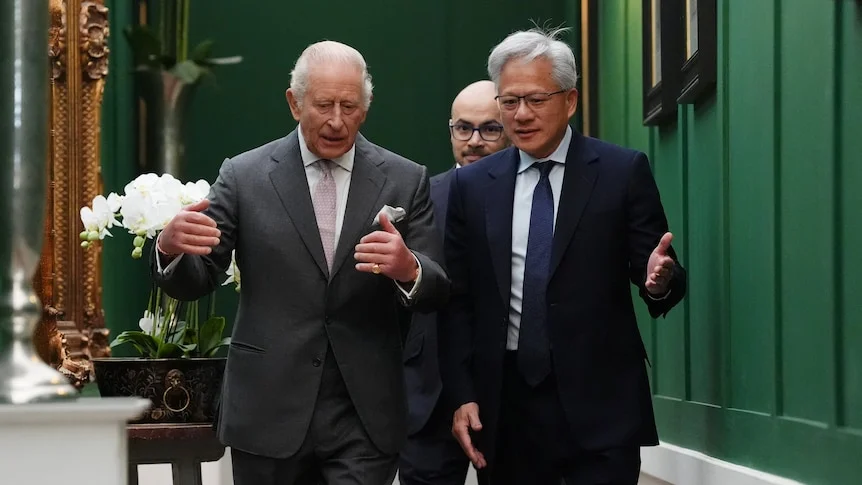
Nvidia CEO Jensen Huang participated in discussions about industry safety mechanisms. (Reuters: Jonathon Brady)
Calls for Regulatory Framework
During his address, the King emphasized the urgency of establishing regulatory measures before it is "too late." This sentiment isn't new, as AI safety advocates have been vocal about the risks of rapid technological advancement outpacing the development of guidelines and regulations meant to safeguard society. There's a growing chorus of voices from the AI sector, including figures like Anthropic's CEO Dario Amodei, who also called for a slowdown in AI's progression until safety measures can be implemented. This is not a matter of technical innovation alone; it's an ethical conversation that fundamentally impacts human welfare.
Increasing AI Scrutiny
This call for caution coincides with rising concern among experts that efforts to ensure AI safety are lagging behind the rapid advancement of its technologies. A gap exists between the pace of innovation and the establishment of ethical frameworks. Experts warn that failing to address this issue could result in an AI ecosystem that operates outside beneficial constraints, with potentially unpredictable and harmful outcomes. Notably, these warnings are gaining traction among policymakers and technologists alike, reflecting a collective anxiety about AI's trajectory and its broader implications for humanity.
The Role of International Dialogue
The summit, which included various industry leaders and government officials, aimed to foster dialogue around creating a shared set of principles for responsible AI development. These discussions covered topics beyond just technological capabilities; for instance, they stressed the need for AI systems to support human dignity and contribute positively to the environment. Such dialogues represent a meaningful attempt to bridge the gap between technological capability and ethical responsibility.
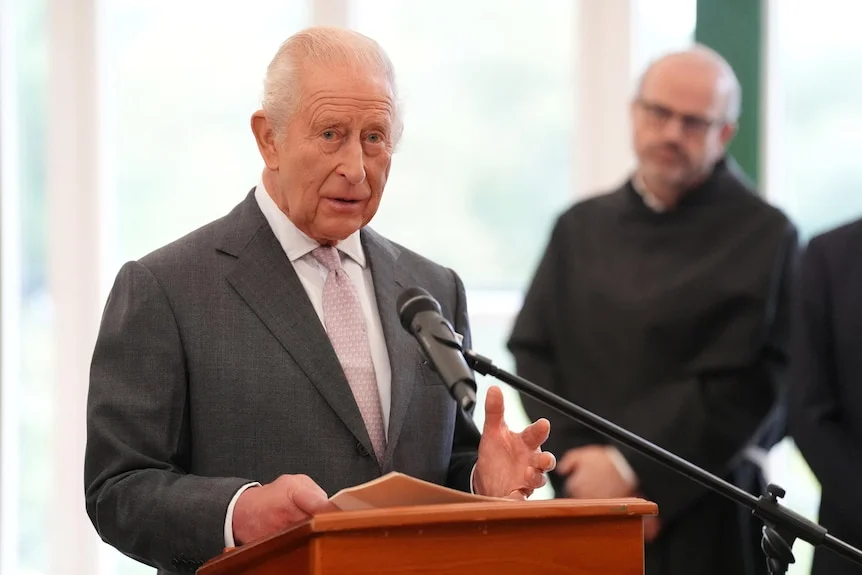
King Charles highlighted AI’s potential benefits while stressing the need for industry regulation. (Reuters: Jonathon Brady)
The Broader Implications
The urgency of the conversations happening around the globe illustrates that the AI ecosystem is fraught with both potential and peril. AI holds the capacity to transform industries and improve lives, but the need for prudent oversight remains critical. What this means for you, whether you’re a tech developer, a policy maker, or an everyday user, is that vigilance is necessary to protect against the potential downsides of this powerful tool. The pressure is mounting on AI companies to prioritize ethics and accountability as integral facets of their development processes.
They say good intentions pave the way to hell, and in the case of AI, it's not enough to simply celebrate its breakthroughs. Without proactive measures, the consequences could be severe. The King's emphasis on oversight isn’t merely a paternalistic concern; it reflects a growing apprehension about the future of technology and its role in society. This isn't just a regulatory conversation; it’s a call to action for all stakeholders involved.
Discussion
Sign in to join the discussion.