Suppliers say David Jones payment delays stretched for months before the retailer entered administration, leaving brands to assess unpaid bills and stock.
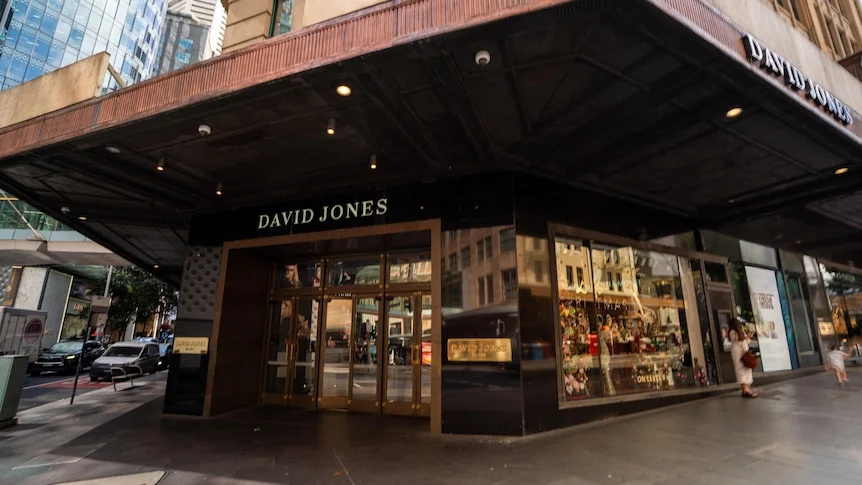
David Jones’ voluntary administration has brought a long-running supplier problem into focus: businesses say invoices went unpaid for months, payment timelines slipped and calls to the retailer’s finance team often went unanswered. The department store entered administration on Thursday morning, with McGrathNicol appointed administrators and FTI Consulting as receivers. Stores will continue trading while they review the business.
For suppliers, the announcement confirmed concerns that had been building through 2026. The company’s financial troubles are also creating practical questions for brands that sell through its stores, including what to do with stock and how to manage reduced cash flow.
Payment terms stop holding
Sydney accessories business Beysis began supplying David Jones in 2019. Its agreement set payment within 14 days of delivery, in exchange for a discount on each invoice. Co-founder Ariana Hendry said that arrangement meant the company never received the full invoice amount, but the discount was agreed on the basis of prompt payment.
After April, payments began taking more than 30 days. Hendry said the company received no clear response when it asked the finance department when payment could be expected. Beysis began legal proceedings because it feared it would be left as an unsecured creditor, low in the order for repayment.
That squeeze matters particularly to smaller suppliers, which can have less room to absorb late payments. For Beysis, placing products in David Jones had also carried value beyond sales: Hendry said the retailer’s decision to stock the brand helped signal to other retailers that it could operate nationally in physical stores.
Brands face questions over stock and stores
David Jones sells goods it buys from suppliers, but it also hosts concession operators. In those arrangements, brands keep ownership of their stock and employ their own staff. The mix includes luxury labels and Australian businesses, some of which have reportedly begun removing products from stores.
The distinction leaves concession brands with decisions of their own as the administrators and receivers assess operations. Around 6,000 people work across David Jones’ 38 stores, including staff employed by concession businesses rather than by the department store itself.
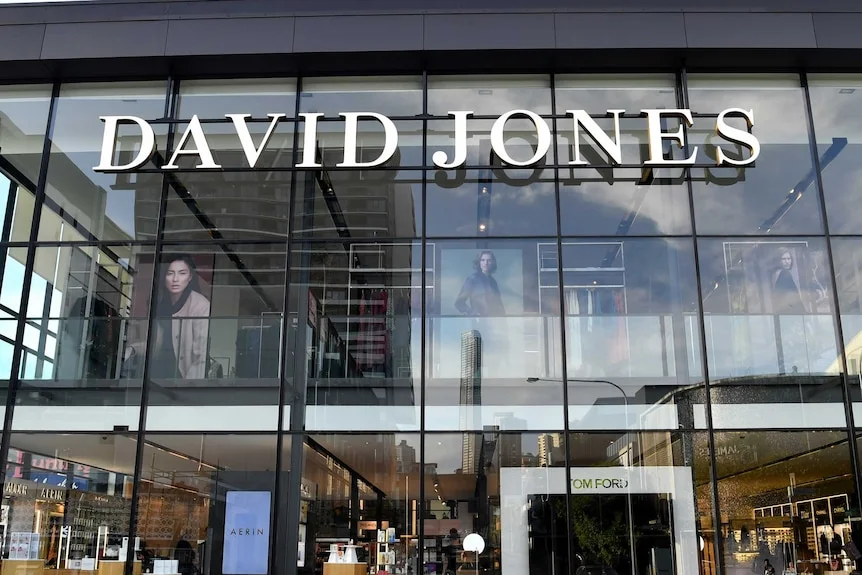
A meeting for David Jones creditors will be held next week. (AAP: Darren England)
A channel that had already narrowed
For Creswick Woollen Mills, a Victorian family business, the relationship with David Jones began in 2001. Executive director Boaz Herszfeld said the retailer helped the company move from selling unbranded fabric and yarn to building recognition for its own products.
Creswick later withdrew its goods from David Jones’ physical stores and continued selling through the retailer online. Herszfeld said the department store had once offered brands a way to reach an important customer group and gain status. He described its decline as a loss for Australian retail.
He also said invoice payments had taken longer over the course of the year, while suppliers’ questions went unanswered. The sums owed to Creswick weren’t significant, he said, but he knew of several businesses that had been waiting months for payment.
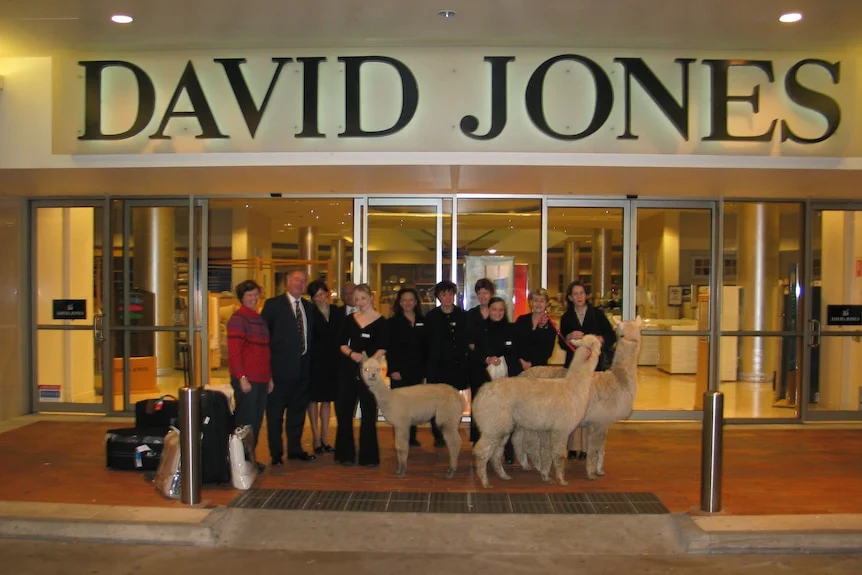
Boaz Herzfeld says its sad to see the demise of a store that was once the most prestigious space for a brand to sell. (Supplied)

Creswick Woollen Mills has been a family-run operation for 75 years. (Supplied: Creswick Woolen Mills)
Creditors meet next week
Hendry said the administration was difficult for a small business already managing tighter cash flow, and lamented the state of a retailer that had featured in her own shopping memories since childhood. Creswick says it will focus on its own online store and physical sales channels, which Herszfeld called the company’s path for “the next 80 years.”
A meeting for David Jones creditors is scheduled for next week. The process will determine how the retailer’s obligations are handled, while suppliers and concession brands weigh their options and await more clarity about the stores.
Discussion
Sign in to join the discussion.