Embalmers prepare the dead with skill and care, while Filipino households face rising power costs and weather risks.

Embalmers help families say goodbye, yet the people who prepare the dead often work out of public view and face stigma themselves. Their work demands training, precision and emotional resilience—an essential service that raises a simple question from embalmer Joycel Regalado: “Kung wala kami, sino ang mag-aayos ng patay?” (If we weren’t here, who would take care of the dead?)
The skill and strain behind funeral care
Researcher Eirene Manatlao and Henry Luce Foundation scholar Jake Gomez examined a profession commonly burdened by stereotypes that embalmers are uneducated or unclean. Their reporting describes a qualification process that includes a high school diploma, at least 140 hours of instruction at an accredited institution, and proof of having embalmed at least 10 cadavers within a year.
After roughly two months of classroom instruction, trainees spend another month working with cadavers in funeral homes. They must pass an exam to receive a license, which needs renewal every three years.
The number of licensed embalmers remains uncertain. There were an estimated 5,000 on record in 2018; rough current estimates put the figure just above 6,000. Pay varies: some receive benefits alongside at least minimum wage, while others earn by the body, at around P1,000 each.
Preparing a body can take four hours or more, depending on its condition. Manatlao spoke with two embalmers who described the emotional weight of preparing babies for burial. Both were parents, and the work could bring them to tears. Their accounts show the personal cost of a job that helps grieving families preserve a final memory of someone they love.
Households face power and weather pressures
That care for the dead sits alongside the daily demands on the living. The Philippines is preparing for the effects of a looming Super El Niño, which may bring extreme weather through early next year and strain farmers. Electricity bills are rising too, putting household energy choices under pressure.
In the Visayas, more than half of the grid’s generation mix comes from renewable sources, yet supply may still struggle to keep pace with demand. Reporter John Sitchon expects multiple red alerts in 2027 amid rising demand and unstable supply. His map traces the energy mix across five island sub-grids: Cebu, Bohol, Panay, Negros and Leyte-Samar.
For households considering rooftop solar, researcher Shay Du estimates installation costs at P80,000 to P200,000 for an average home, and more than half a million pesos for larger houses. Financing routes include solar loans from the Government Service Insurance System for government employees, Pag-IBIG home improvement loans, and Social Security System loans for private employees expected by 2027.
Public decisions still need scrutiny
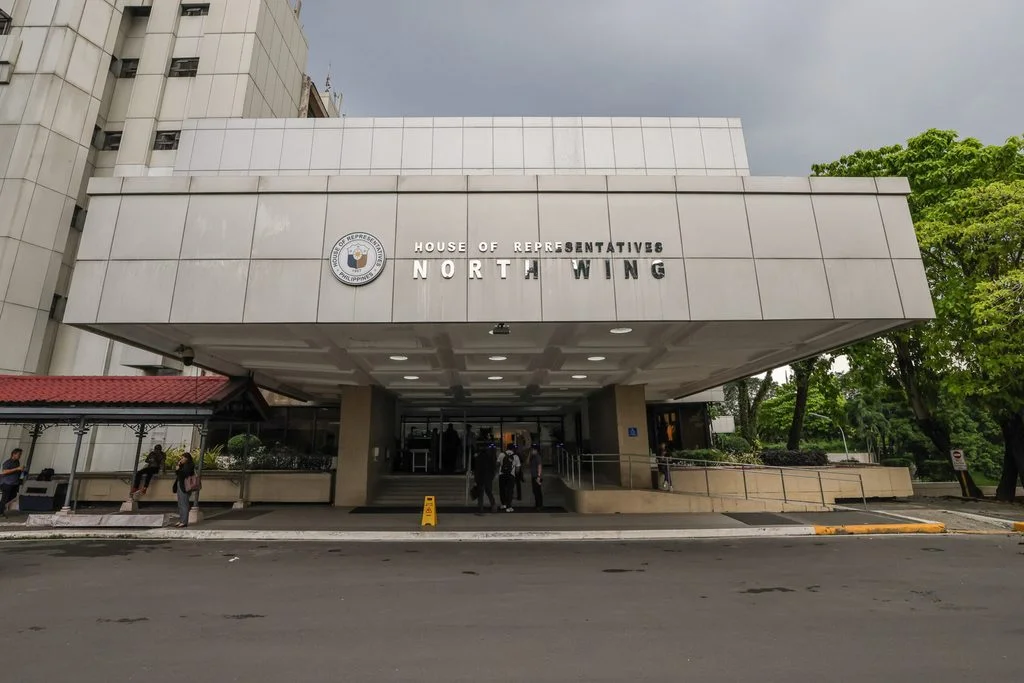
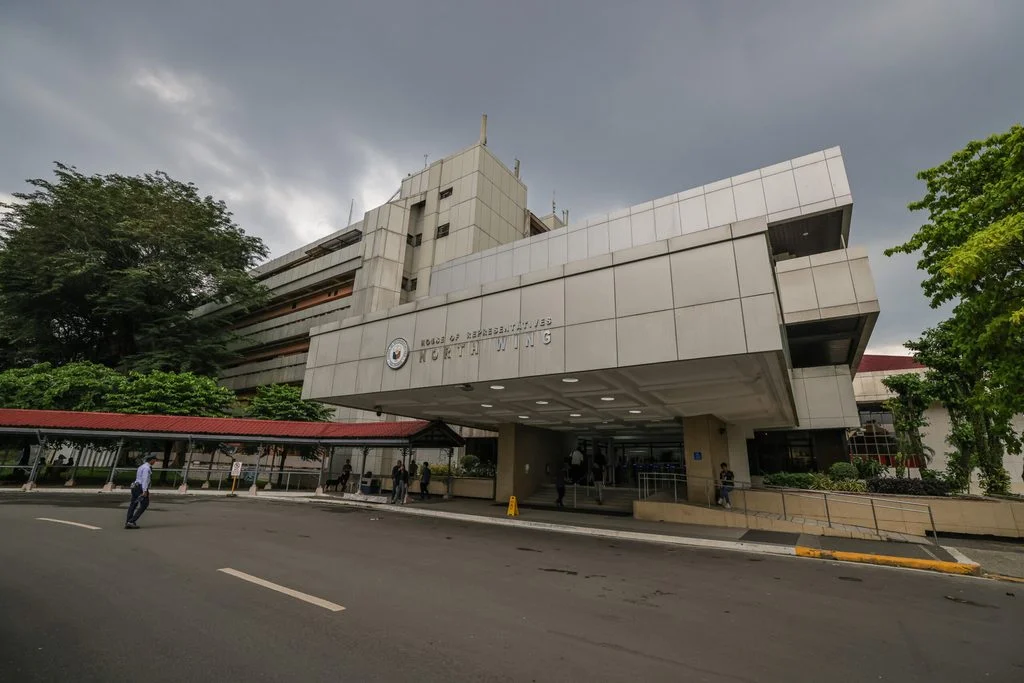
High bills and extreme weather demand attention, but they don’t erase other public questions. Readers should keep tracking how public funds are allocated and who President Ferdinand Marcos Jr. selects for the Supreme Court, including a replacement for Chief Justice Gesmundo, whose retirement was scheduled for Friday, November 6.
The stories ahead connect intimate acts of care with broader pressures on families: how communities prepare for difficult weather, secure reliable power and hold public spending to account.



– Rappler.com
Rappler Investigates is a bimonthly newsletter of our top picks delivered straight to your inbox every other Thursday. Visit rappler.com/newsletters to subscribe.
Discussion
Sign in to join the discussion.