Young men describe how gym and self-improvement videos can lead to toxic manosphere content, feeding insecurity and misogyny through social media algorithms.
Young men on looksmaxxing, toxic influencers and the pressure to be a good man
The most troubling thing about manosphere content may be how often it arrives disguised as self-improvement. A workout video can lead, step by step, to claims that men must look a certain way, earn more and treat women with contempt. That shift matters because young men don’t always go looking for misogyny; sometimes it finds them through the feed.
ABC’s The State of Man explores that world. The manosphere, once a fringe ideology, now features in alarming headlines and documentaries. One study found that young men could be shown toxic content within 23 minutes of creating a social media account. The figure is striking, though it doesn’t explain how often that exposure happens or what effect it has on each person.
We spoke with young men about what they encounter online and how it shapes their ideas about masculinity. Their accounts point to a tension: advice about discipline and confidence can feel useful, while the same channels may exploit insecurity and sell a narrow model of success.
Jak, 18, Melbourne
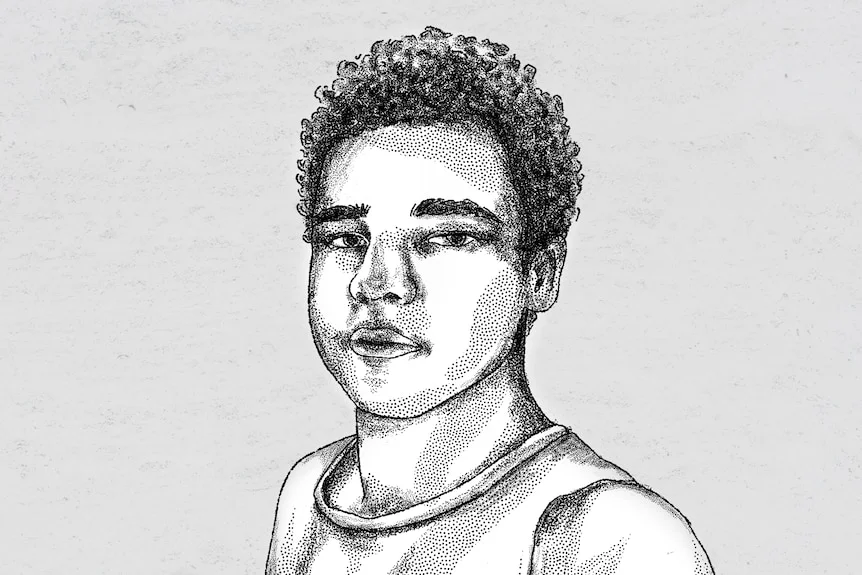
Jak says the pathway began innocuously: gym videos showing exercise form and encouraging men to train. The format was familiar — a muscular, shirtless influencer, electronic music, and a message about discipline, strength and becoming the man you ought to be. “At first I thought, ‘Hell yeah.’”
Then the pitch changed. The underlying message, he says, was that viewers weren’t good enough and needed to follow a prescribed list of fixes. His recommendations filled with influencers promoting peptides and steroids. Stay with a creator long enough, and Jak found, the content often turned into a sales funnel for courses, supplements or other products.
Some videos tied muscularity to getting women, then blamed women if they remained uninterested. Jak hadn’t searched for misogynistic material. It simply appeared, leaving him wondering how gym advice had led there.
A lot of this content paints the idea that the world is out to get men, and I think some of that has bled into the real world.
Jak says jokes at women’s expense have started to feel more acceptable. He recalls watching videos with friends when a woman began speaking and someone told her to shut up; the group laughed. A school project on the manosphere helped him see how its messages could affect mental wellbeing without someone noticing.
He has since left most social media. His friends first worried he had disappeared, then thought the decision was strange and asked how he spent his time. Jak says he now does more of what he enjoys and feels more confident and present.
His point is that young men don’t necessarily enter these feeds intending to become misogynistic. The process can be gradual and largely unconscious. Self-improvement may start with positive ideas, he says; the harm comes when influencers bend those ideas into something else.
Noah, 18, Canberra
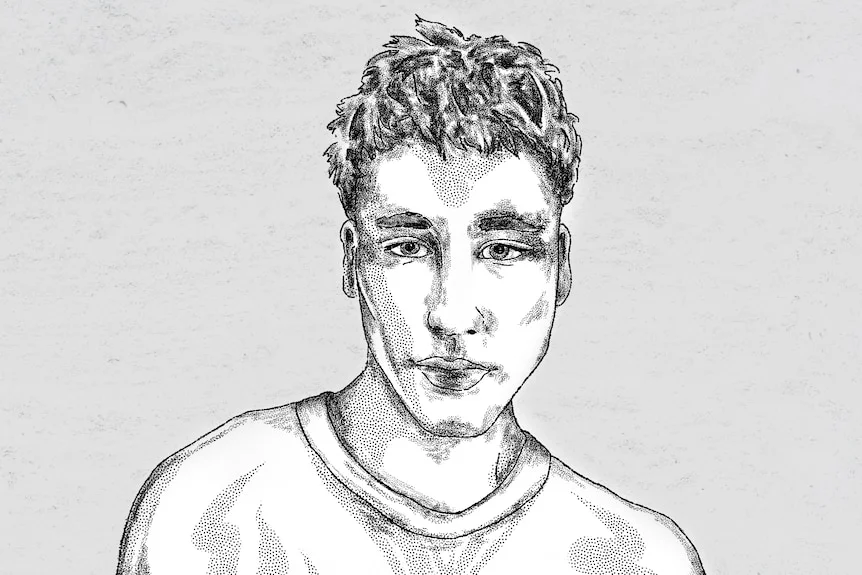
Noah spends much of his time on Instagram, where he posts short films and teaches others to make them. He has about 40,000 followers across platforms. Politics and current affairs draw him to YouTube debates, and although he opposes manosphere content, he follows it because he sees it as a subject worth understanding.
Regardless of whether you like it or not, it's going to be in your feed. It's not something you can ignore.
Having started out making gym content, Noah recognizes how body insecurity and body dysmorphia can take hold. He sees a familiar pattern in manosphere videos: create insecurity, then offer a paid remedy. He tries to show different sides of himself online, though he admits he still tends to post the good parts more often than the bad.
Even friends who reject the manosphere can feel its pressure. Noah says influencers claiming that men won’t get girlfriends without money pushed him to care more about earning. Social media adds another measure: followers and likes. When a video underperforms, he says, he can feel a sense of impending doom.
The looksmaxxing craze is another part of Noah’s feed. He knows people who buy influencer courses, try to change their faces or take peptides for their skin or weight. Some shorter friends put folded socks in their shoes to appear taller.
Looks, money and status can seem like the three requirements for manhood, Noah says, even though social platforms make it easy to perform those traits without having them. He finds it simple to be a decent person, but harder to know what being a man means. The definition has changed sharply over 50 years, and his own view shifts too.
He feels pressure to get stronger, improve his appearance and earn more. Then, often, he questions whether those goals matter. His answer is to tune out prescribed ideas of manhood and try to become the best version of himself.
Flynn, 24, Melbourne
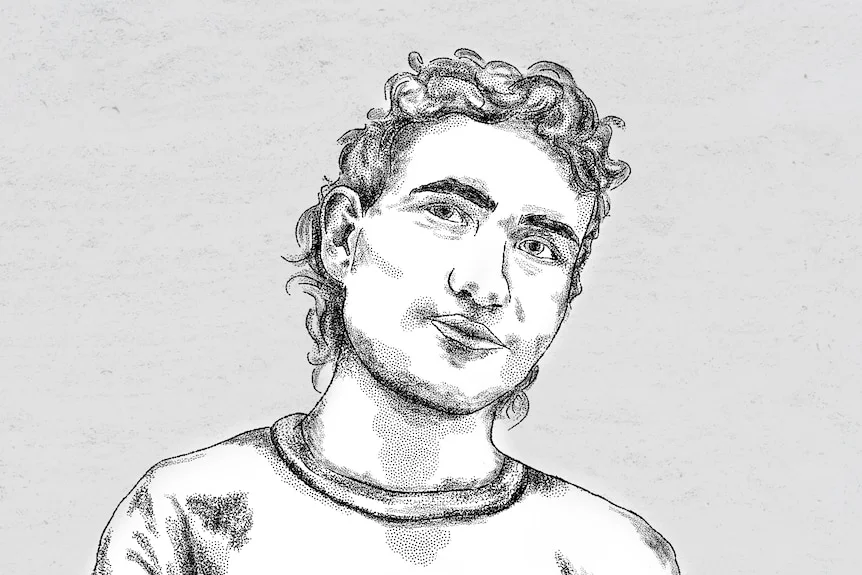
As told to Anna Levy for The State of Man. Posted Tuesday 27 October 2026 at 5:00am.
How attention can harden into belief
For one young creator, Andrew Tate’s videos arrived almost overnight. At 20, he and his friends were sharing clips and treating Tate’s provocations as part of the competition to say something outrageous. The appeal grew from an existing ambition: he’d been editing videos since Year 7, tried vlogging in Year 10, and wanted to become famous. His early comedy was harmless, he says. Then manosphere content offered something more seductive than a set of opinions: membership in a group that claimed to know how to “escape the Matrix,” become an alpha male and get ahead. He was frustrated that he wasn’t yet rich or famous. When a TikTok rant about whether it was OK to be a straight white man in Australia went viral, the backlash was severe—and delivered the attention he’d wanted. That reward had consequences. He doubled down, and criticism of his videos reinforced his prejudice and anger. He traces the change to a mix of frustration, repeated exposure to manosphere content and deteriorating mental health. Periods of mania and depression developed into psychosis; he spent three weeks in hospital and was diagnosed with bipolar disorder. Medication, professional care, support from his parents and friends, time and conversation helped him recover. At 24, he says he no longer sees that content in his feeds and can assess it more objectively. But he’s unsure what it’s like to encounter it constantly at 12 or 16. His advice to boys is plain: fitness, discipline and financial responsibility don’t require manosphere influencers as guides. Kindness, he says, matters more than their image of toughness.When online friendships change
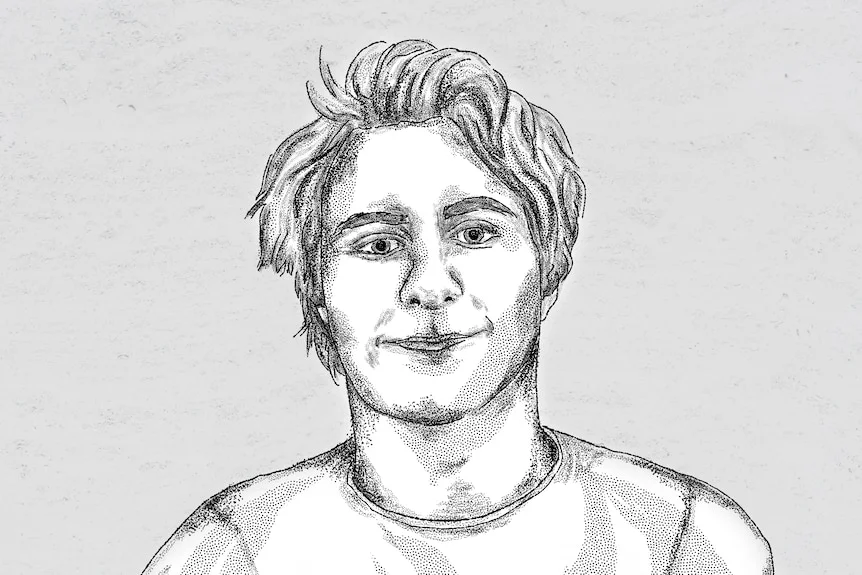
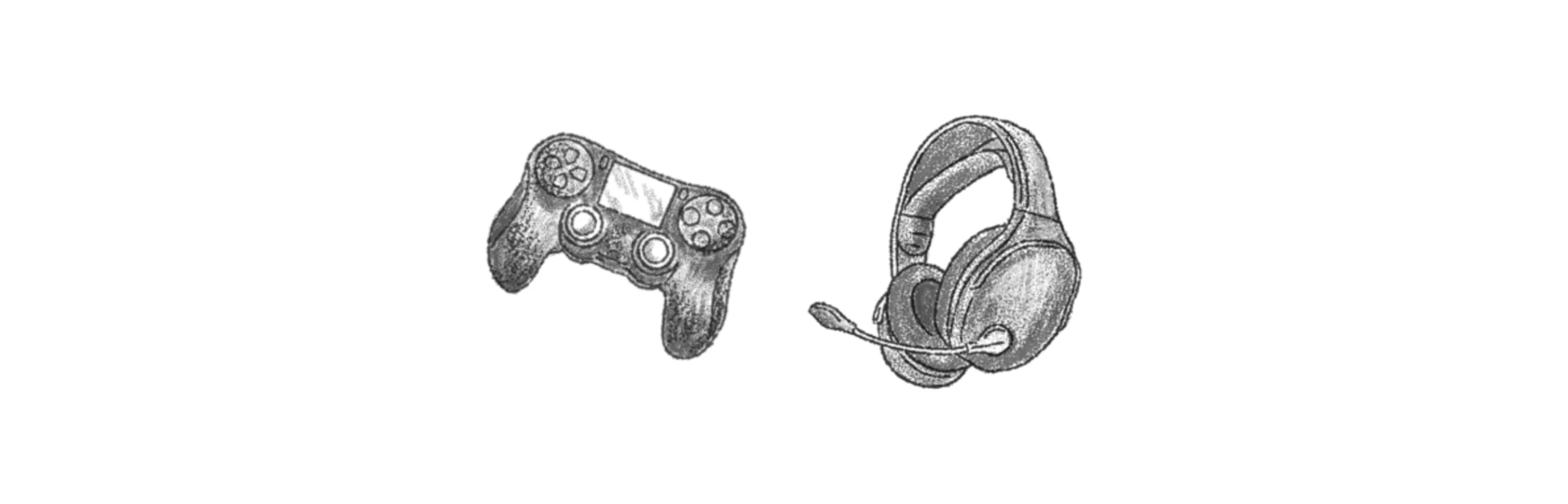
Bodie, 27, from Adelaide, met many of his friends through gaming. Some had always been edgy, he says, but after COVID, Andrew Tate’s message gave people who felt powerless someone to blame: women. Over time, jokes among his friends shifted toward misogyny and transphobia, including the idea that women should stay at home. Bodie has autism and was diagnosed with ADHD as a child. After deciding he wouldn’t stay in a group where that culture was tolerated, he left the server. His former friends blocked him and cast him as the problem. He doesn’t think all of them followed Tate directly; what he saw was a wider set of ideas spreading through the group. He sees recommendation algorithms as part of that process: one seemingly harmless video can lead to a steady stream of more extreme material. The pitch, in his view, works because it mixes useful advice with an ideology, then offers disaffected young men an explanation for their problems—and someone to blame. He worries about his 14-year-old brother’s exposure to that content, and relies on their father to help guide him when something concerning comes up. Bodie’s experience also changed how he thinks about himself. He says he can now recognise the pattern and the commercial pitch behind it. He wants to make people smile, be someone they feel safe around, and offer a model of manhood worth looking up to. That may sound less dramatic than the influencers’ promises. It’s a better measure of the kind of man they claim to teach boys to become.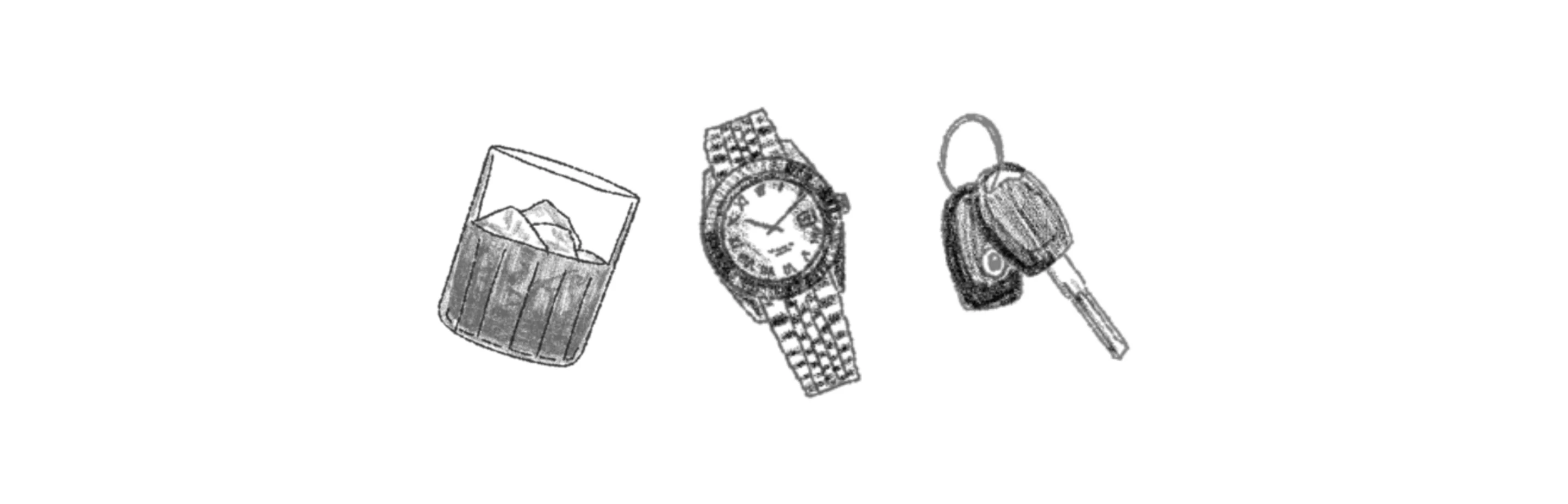
Stream all episodes of the new docuseries, The State of Man, free on ABC iview.
Discussion
Sign in to join the discussion.