A planned cosmetic surgery event in Sydney was canceled after scrutiny revealed the featured surgeons were unauthorized to practice in Australia, highlighting patient safety issues.
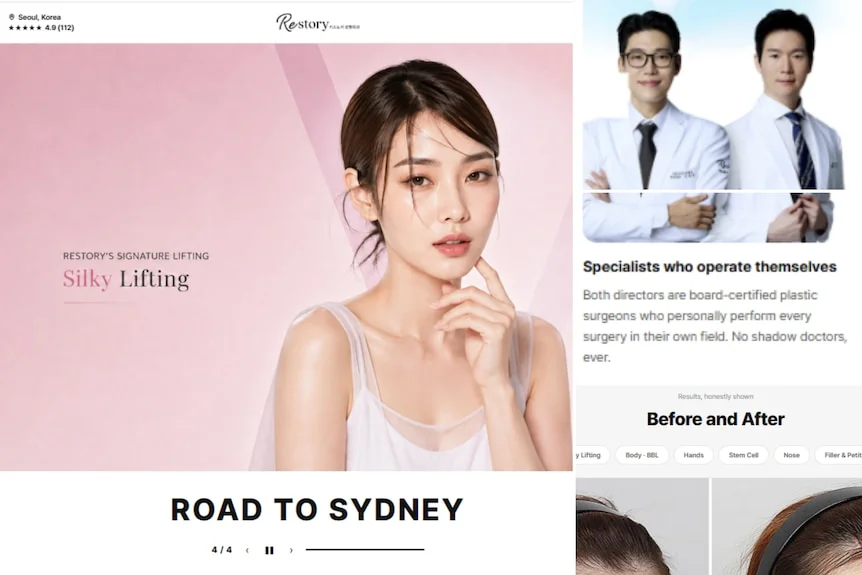
The fallout was swift. After the ABC raised these concerns, Restory pulled its advertising and formally cancelled the event. "Dr. I Yung Moon and Dr. Myung Joon Lee will not be traveling to Australia and will not be attending the Sydney event," the company acknowledged in a statement, clarifying that the marketing materials might have misleadingly suggested otherwise.
This incident shines a light on a broader issue within the cosmetic surgery industry, particularly concerning overseas medical procedures. The Australian Society of Plastic Surgeons (ASPS) has long issued warnings about the implications and risks associated with traveling abroad for cosmetic work. Anecdotes from patients illustrate this predicament vividly. For instance, Sunshine Coast resident Pia Marshall had a similar experience with a different South Korean clinic at a related event last year in Melbourne. Despite the allure of overseas operations, she emphasized that her decision to undergo surgery ultimately stemmed from careful research rather than promotional appeal.
In an age where social media often glorifies beauty transformations, this scenario raises a crucial question: How well-informed are patients about the realities of medical tourism? The shining reputation of South Korea for procedures, dubbed "K-beauty," doesn’t automatically guarantee safety or excellence—particularly when navigating the complexities of medical regulations and potential complications post-surgery.
It's not entirely clear why foreign companies continue to promote their services in jurisdictions where they can't practice legally, but this incident underscores a pressing need for transparency within the cosmetic surgery realm. The interests of patient safety and informed consent must take precedence over aggressive marketing tactics that could mislead prospective patients. This incident is a cautionary tale, emphasizing the importance of due diligence in selecting cosmetic procedures and practitioners—both domestically and abroad.
Taking the Leap: The Appeal of Overseas Cosmetic Surgery
The surge in Australian consumers travelling to South Korea for cosmetic procedures highlights a troubling trend. With Australia now ranking second in K-beauty spending per capita, according to Future Market Insights, it's clear that demand is skyrocketing. At a glance, the numbers suggest a driven market, but when you dig deeper, the implications of this trend raise some red flags.
Take Pia Marshall's experience, for instance. She was quoted a staggering $36,000 for her procedures, which included a two-week stay in South Korea. While this may sound steep, it’s half the price of similar surgeries back home in Australia. The allure of cost savings can overshadow potential risks, especially for those lured by influencer endorsements who frequently minimize the dangers associated with such surgeries. Pia’s assertion, "Going to Korea is about half the price of surgery here," reflects the reality many face—financial incentives can often outweigh caution.
Social media plays a crucial role in shaping perceptions of cosmetic surgery abroad. While Australian regulations prohibit testimonial-based advertising for medical services, such restrictions don't extend to foreign practitioners. As Dr. Brigid Corrigan of the ASPS emphasizes, "You can't be sure that an overseas surgeon has the same level of training and experience." This raises essential questions about safety and accountability: who ultimately bears the burden of these decisions?
Regulatory Gaps and Marketing Ethics
The discrepancy in advertising regulations isn't just a minor oversight; it creates a dangerous playing field for consumers. Dr. Corrigan urges potential patients to consult with qualified professionals before opting for overseas procedures. While Pia found the overseas options more accessible, her experience underscores the challenges Australians face navigating strict local advertising laws.
As influencers like Ruby Tuesday Matthews document their surgeries with glamorized narratives, the reality becomes clouded by the omission of inherent risks. It's imperative for potential patients to recognize that behind the glossy social media posts lies genuine medical risk. Matthews even admitted her struggles with post-operative pain management due to South Korea's stringent prescription regulations, a stark contrast to the assumed safety net Australian healthcare promises.
Final Thoughts: A Call for Transparency
The current situation is unsustainable. As Australia contends with an influx of patients seeking corrective surgery from overseas procedures, the burden on local surgeons could become overwhelming. Dr. Corrigan echoes this sentiment: "You need to have realistic representation of before and after pictures," and this level of honesty is sorely lacking in the far-reaching world of cosmetic marketing.
If you're working in the health space, or even considering a cosmetic procedure, it's vital to tread carefully. The real cost of chasing beauty abroad may far exceed the financial savings. As the gap between overseas temptation and domestic restrictions widens, consumers must wield knowledge as their most potent weapon. Wouldn’t it be better for everyone if the same scrutiny applied to foreign practitioners as it does to Australian ones? Transparency in advertising and informed decision-making should be paramount. The landscape of cosmetic procedures is complex, and the stakes are high. Let’s not lose sight of that reality.
Discussion
Sign in to join the discussion.