A tragic workplace accident at the Colosseum led to a young worker's death, prompting a temporary closure of the iconic site.
A tragic incident unfolded at the Colosseum in Rome, where a 22-year-old technician lost his life after falling approximately 10 meters. The worker, identified as Andrea Moretti, was engaged in the installation of a lighting system on the second level of the ancient amphitheater during the time of the accident.
Details of the Incident
Shortly after the fall, the Italian Ministry of Culture confirmed the fatal incident. “Andrea Moretti, a specialist high-altitude rope access worker, died last night inside the Flavian Amphitheater following a workplace accident,” the ministry reported.
The Colosseum, a UNESCO World Heritage site, has long been a principal attraction drawing millions of visitors each year. Its status as a historical landmark underscores its significance, but it also raises the stakes for those tasked with its upkeep. Whenever construction or maintenance occurs, the risks multiply, especially when high-altitude work is involved. Moretti's death is not just a personal tragedy; it raises broader questions about safety protocols in such environments.
Official Responses and Reactions
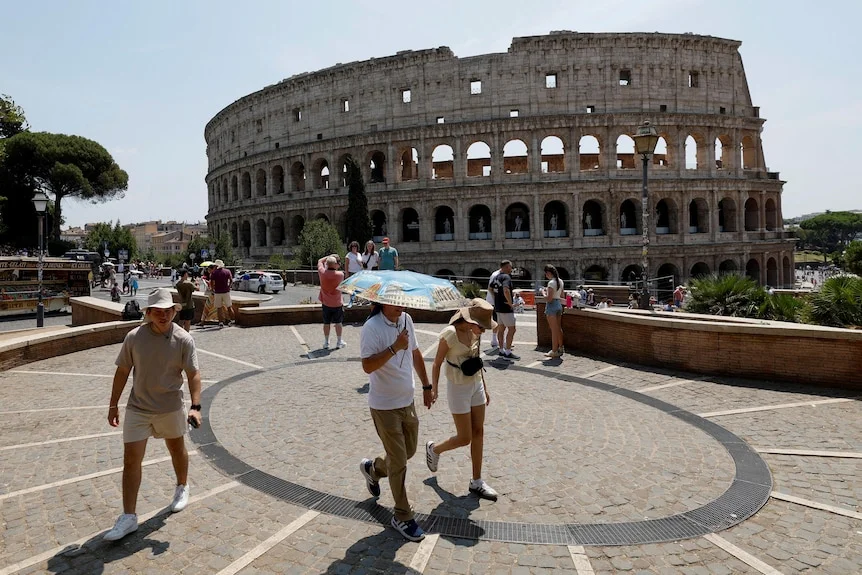
Part of the Colosseum, one of Rome's main tourist attractions, was closed after the worker's death. (Reuters: Remo Casilli)
Culture Minister Alessandro Giuli expressed deep sorrow over the accident, stating, “The few words we can express are dedicated to Andrea, his family, and his loved ones. We extend our deepest, most sorrowful condolences at the senseless death of a young man dedicated to his work.” Prime Minister Giorgia Meloni echoed these sentiments, lamenting the loss of such a young life, particularly in a work environment. These public pronouncements reflect a sensitivity to the tragedy and illustrate how initial responses can shape the narrative surrounding such incidents.
Yet, sympathy is far from enough. Right now, the focus shifts to investigating how and why this incident occurred. Organizations tasked with overseeing workplace safety and conditions need to face scrutiny. What systems were in place to safeguard workers? How are accidents, especially fatal ones, classified and handled by the Italian government? These concerns could lead to significant changes in current practices.
Investigations and Consequences
As investigations commence, the Ministry has not released further details about the circumstances leading to Moretti's fall. Italian authorities are expected to assume a pivotal role in looking into the incident to determine accountability and prevention measures. This type of investigation often includes a thorough audit of safety protocols and a reassessment of the risks associated with ongoing projects. All parties involved—the hiring companies, safety inspectors, and even the labor unions—will be scrutinized for potential lapses.
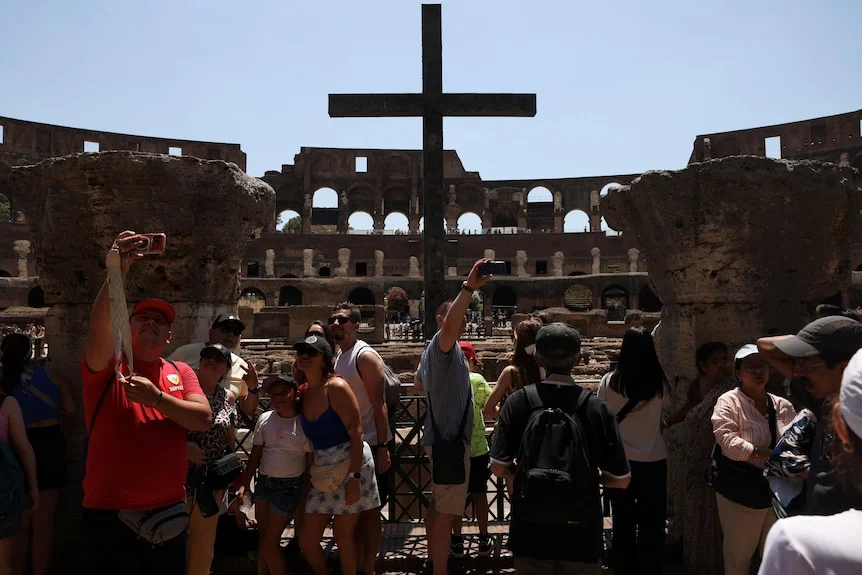
Up to 20,000 visitors flow through the gates of the Colosseum each day during peak tourism months. (Reuters: Alexandros Avradimis)
As a mark of respect, the Colosseum Archaeological Park announced the closure of parts of the amphitheater, later expanding to a full closure for the day. Earlier estimates suggested that during peak times, the Colosseum accommodates up to 20,000 visitors a day, adding to the site's significance as a major cultural landmark. This temporary closure highlights the internal conflicts between safety considerations and the economic pressures of operating a high-traffic tourist destination. What happens next could set a precedent for how similar scenarios are handled in Italy.
Union Reactions and Broader Implications
The largest labor union in Italy, CGIL, criticized the partial closure decision, insisting that the entire site should be commemorated with a full day closure. CGIL Rome Secretary Natale di Cola stated, “Humanity comes before tourists.” This incident raises ongoing concerns about workplace safety, particularly in high-risk areas like construction and restoration in historical sites. Unions often emphasize the balance between economic interests and the duty of care owed to workers, spotlighting the need for systemic changes.
These discussions are integral to shaping workplace policies in Italy, especially considering Europe’s varied approaches to worker safety. Enhanced regulations could lead to better safety standards, but implementing these changes often involves debate and resistance from stakeholders focused primarily on profit margins. If you're working in this space, you already know that safety regulations are usually an uphill battle, often fought one tragic incident at a time.
Looking Ahead: The Future of Workplace Safety in Italy
Ultimately, the effects of this incident could resonate deeply in Italy's construction and preservation sectors. Investigations might highlight safety breaches, prompting agencies to reconsider existing protocols. The unfortunate reality is that it often takes a tragedy to bring necessary change. Attention to workplace safety has been on the rise, but incidents like Moretti's might force a reckoning.
Legislative discussions could emerge that target better safety practices, particularly in high-risk environments like historical sites. It’s a delicate balance; the preservation of cultural heritage cannot come at the cost of human lives. The coming months will likely reveal how this tragic event influences not only safety protocols but also the broader attitude towards construction work in historically significant areas.
Discussion
Sign in to join the discussion.