Harvey Weinstein has been sentenced to 15 years in prison for assaulting production assistant Miriam Haley, who described the lasting impact of his actions.
Harvey Weinstein has been sentenced to 15 years in prison following his conviction for sexually assaulting production assistant Miriam Haley in 2006. This case, intertwined with Weinstein's notoriety, underscores not only the ongoing consequences of his actions but also the broader reckoning within Hollywood around issues of consent and abuse of power.
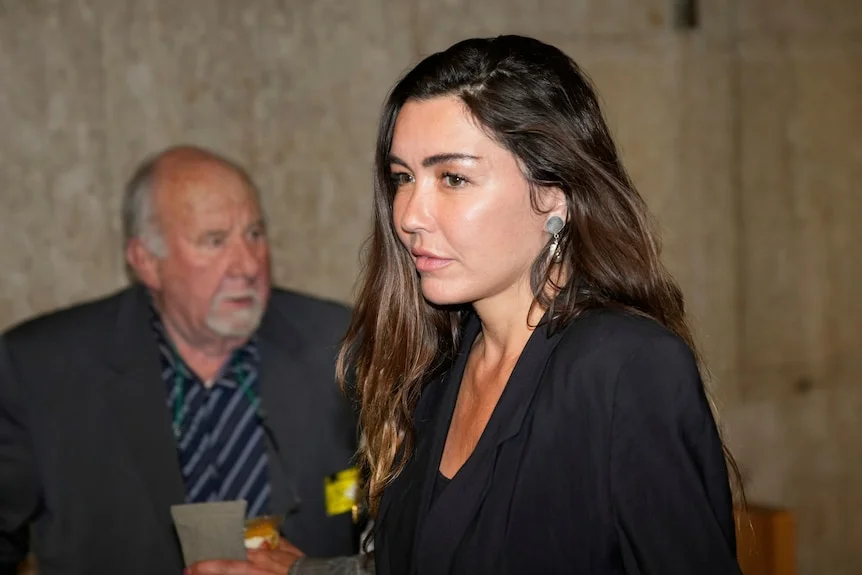
Miriam Haley, who has waived her anonymity, detailed her brief interactions with Weinstein during her time as a production assistant on the reality show Project Runway. In court, she recounted her visit to his Manhattan apartment, where the assault occurred, describing the atmosphere in chilling detail. She painted a picture of a vulnerable young woman caught in a moment of professional ambition, only to be met with predatory behavior. Judge Curtis Farber labeled Weinstein as a "sexual predator," emphasizing that Weinstein had squandered his legacy for a moment's disregard for another's autonomy. It's a stark reminder of the power dynamics at play in Hollywood.
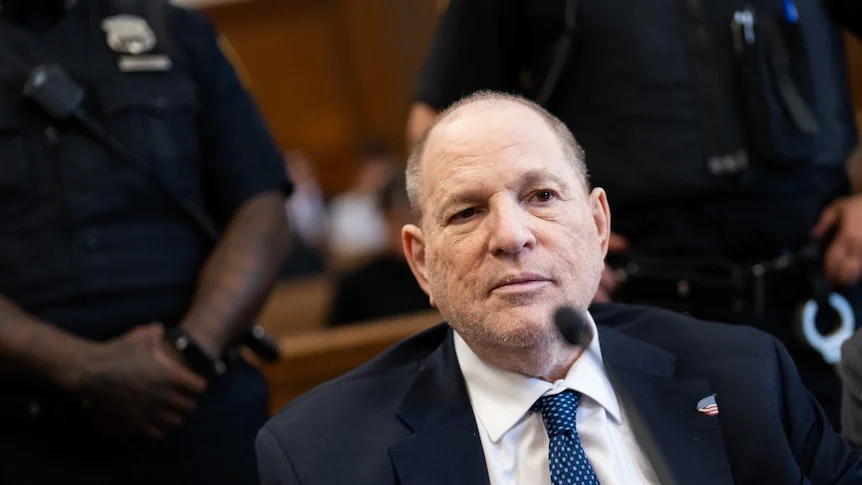
During sentencing, Haley articulated the profound impact Weinstein’s actions had on her life. She described receiving a "life sentence," contrasting it with Weinstein's relatively lighter sentence. The imbalance in their situations is striking; while Weinstein's time behind bars is quantifiable, the psychological implications for Haley are immeasurable. She expressed how the trauma from her assault, coupled with the stress of seeking justice, has persisted through the years. This isn't merely about a prison term—it's about the lasting scars that such violations leave on victims.
“Having been sexually assaulted by Harvey Weinstein has had a devastating effect on my life and sense of security that may never go away,” she remarked during the proceedings.
Weinstein, who has continued to maintain his innocence, expressed remorse for Haley's suffering yet categorically denied any criminal wrongdoing. He pleaded for mercy, stating, “I am not a violent man, have some mercy.” That plea demonstrates his continued disconnect from the realities of the pain he inflicted. Judge Farber made it clear that the focus should remain on the damage inflicted upon Haley, illustrating the stark divide between a perpetrator's self-perception and a victim's lived experience.
The Broader Context
This case fits within the larger narrative of Weinstein’s fall from grace, which began when numerous allegations about his sexual misconduct emerged, sparking the #MeToo movement. His actions acted as a catalyst, motivating individuals across various industries to come forward and share their stories. Prosecutors had sought a more severe sentence of 20 years, but Weinstein's defense argued that a lengthy sentence would effectively amount to a life term given his age and health. Such arguments often bring to light the fraught interplay between justice and perceived mercy, placing the spotlight on how the legal system weighs the humanity of an abuser against the suffering of their victims.
The Trial Aftermath
Weinstein has already served over six years related to previous charges, with the legal proceedings experiencing numerous twists. Initially sentenced to 23 years after a jury found him guilty of separate assaults on both Haley and aspiring actress Jessica Mann, his conviction was overturned by New York’s highest court due to irregularities related to testimony from other accusers. That decision highlighted the fragile nature of legal victories in such emotionally charged cases.
In a subsequent trial, he was again found guilty of assaulting Haley but faced a hung jury on the charges involving Mann. Following further back-and-forths in the courtroom, Manhattan prosecutors eventually withdrew the rape charges against him, allowing the focus to remain on Haley’s case. Each of these legal maneuvers underscores the complexities of prosecuting high-profile cases, often fraught with emotional and legal ramifications.
Following this latest conviction, Weinstein's legal team has indicated plans to appeal the verdict and the sentence. Amid these developments, he now awaits re-sentencing in a separate case associated with charges of rape in Los Angeles. This ongoing saga raises questions about accountability and whether the legal system is equipped to handle such high-stakes cases effectively.
The repercussions of Weinstein's actions resonate deeply, with over 100 women stepping forward with allegations against him. (and this is the part most people overlook) In the wake of this landmark trial, the entertainment industry continues to grapple with its culture of silence and complicity, reckoning with long-held norms that allowed such abuses to flourish unchecked for decades. If you're working in this space, it's critical to stay aware of these ongoing discussions, particularly as they relate to workplace ethics and accountability.
Implications for the Future
The implications of Weinstein's sentencing extend into the broader conversation about sexual misconduct across various industries. Although many see this as a pivotal moment, challenges remain in ensuring that the voices of victims are heard and respected. The entertainment industry must reassess its values, practices, and overall culture to foster a more equitable environment for all. This doesn’t just entail punishing offenders but also supporting systemic changes that prioritize safety and consent.
What this means for you: As conversations about power dynamics and accountability continue, understanding these issues becomes imperative. The outcome of Weinstein’s sentencing might serve as a precedent, affecting how future cases are handled, and shaping societal perceptions of sexual misconduct. The road to change is long and complicated, but the current momentum suggests a shift. Whether this translates into meaningful reforms remains to be seen.
AP
Discussion
Sign in to join the discussion.