Japan faces accommodation issues for the upcoming Asian Games, prompting the national team to explore alternative housing solutions amidst rising participant numbers.
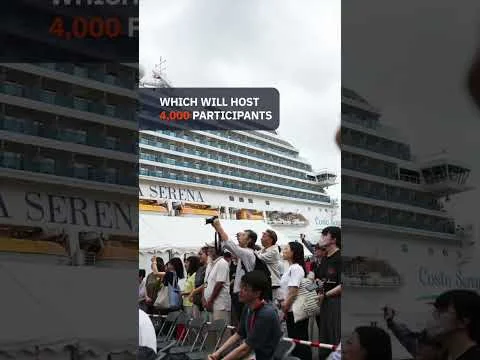
NAGOYA, Japan – With the Aichi-Nagoya Asian Games set to begin on September 19, accommodation challenges have emerged, even causing the host Japanese team to seek alternative living arrangements. This situation follows reports that male and female athletes have been assigned to shared rooms, sparking concerns over privacy and professionalism. As athletes gear up for competition, the last thing they need is added stress regarding living conditions. And it’s not just about comfort; it touches on the dignity and respect afforded to these elite competitors.
Unconventional Housing Solutions
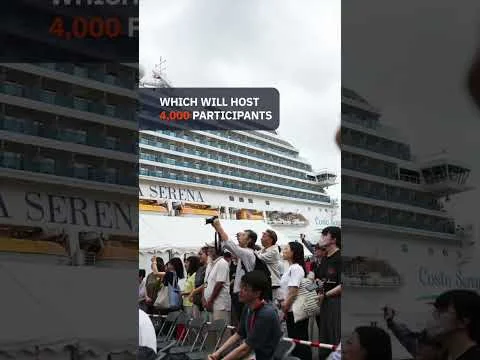
The local organizing committee opted against establishing a dedicated Athletes' Village, instead attempting to creatively house the 17,000 participants and officials arriving for the Games. One of the more unconventional solutions involves the Italian cruise ship Costa Serena, which will accommodate around 4,000 athletes. While some might find living on a cruise ship a novel experience, this move reflects serious logistical challenges and raises questions about the effectiveness of the organizing committee's planning. Another 2,000 will find shelter in shipping-container-style huts near Japan's largest port. These makeshift arrangements might be an eyesore for some and stifle the spirit that typically accompanies such international events.
Credential Chaos and Misallocations
Japan's deputy chef de mission, Hisashi Mizutori, revealed that the onboarding process at the cruise ship faced delays, citing issues with athlete credential activations that left some waiting for hours. This isn't merely an inconvenience; delays in access can disrupt preparation, which directly affects performance. Compounding the problem are arrangements that have mistakenly placed coaches, team officials, and athletes in shared quarters, often with inappropriate gender mixes or logistical challenges due to medical equipment needs. Here’s the thing: while logistical hiccups can happen, the stakes are particularly high in a competitive environment like this.
The local organizers had anticipated about 15,000 participants but saw this number swell as additional sports were added to the roster, leading them to cap attendance at 17,000 while still promising adequate accommodations. This last-minute scramble casts doubt on their project management skills and raises questions about accountability. Moreover, the Japanese Olympic Committee (JOC) had foreseen potential housing problems, securing backup hotel arrangements throughout Nagoya. But was that proactive enough?
Mizutori confirmed, “We’ve been informed that accommodation allocations are extremely tight,” acknowledging past issues while emphasizing efforts to rectify them. Acknowledging missteps is one thing, but executing tangible solutions is another challenge altogether. If necessary, Team Japan may shift to alternate pre-arranged accommodations as a contingency. This could help but is it the best approach? The urgency of quick fixes runs the risk of being just another temporary patch on deeper issues.
Organizers' Commitment to Resolve Issues
The organizing committee has committed to addressing mounting complaints from athletes regarding their living situations. Reports have surfaced, particularly from South Korean basketball players, concerning the inadequate size of beds in the shipping container-style accommodations. In sports, even seemingly trivial elements like sleep quality can impact performance, which makes these complaints all the more pressing.
Yuta Matsuo, the accommodation manager, underscored their awareness of the athletes' concerns and mentioned the implementation of proactive measures to enhance the staying environment. “We’re not just acknowledging the complaints; we’re taking steps toward improving conditions,” he stated. However, the effectiveness of these measures remains to be seen. Are they just reactive, or are they truly transformative?
Matsuo highlighted the focus on sustainable accommodation solutions, which have been sanctioned by the JOC. He also reassured that a dedicated resident center would be available around-the-clock to manage any issues athletes may face. While around-the-clock support is reassuring, can one center effectively address the multifaceted nature of the complaints coming from so many different teams?
While the cabins on the Costa Serena may be modest in size, he encouraged athletes to enjoy the ship's shared amenities and relaxation opportunities, advising them to consider the overall experience rather than fixate on cabin dimensions. (and this is the part most people overlook) Truly, are promotional opportunities becoming misplaced? These athletes deserve more than just a chance to enjoy the amenities; they deserve top-tier accommodations.
Weather Woes and Timing
The rainfall impacting Nagoya has compounded the situation, necessitating temporary evacuations for some athletes and officials due to severe weather conditions. Natural elements are unpredictable, but the timing couldn’t be worse. The pressure to perform well is immense, and extraneous factors like weather only add to that stress. Despite these hurdles, the third edition of the Asian Games in Japan is set to run from September 19 to October 4, with organizers striving to meet the demands of an expanded athlete roster amidst logistical challenges. The question remains: will they rise to the occasion or fall short under pressure?
Implications for Future Events
This whole situation serves as a cautionary tale for organizers of future sporting events. The decisions made now not only impact the current Asian Games but could also influence how future international events are planned and executed. If organizers don’t prioritize accommodations adequately, they risk not only athlete satisfaction but also the overall success of the event. Athletes deserve an environment where they can excel, and that starts with proper planning. When venues realize they have failed to provide essential support, it could mar their reputation for years. If you're working in this space, these lessons should be taken to heart. The implications are vast, and the need for accountability has never been clearer.
Discussion
Sign in to join the discussion.